


How Long Does It Take To Move From Prototype To Mass Production in Gas Griddle Oem Projects?
The transition from prototype to mass production in a Gas Griddle OEM project typically takes 30 to 60 days, depending on product complexity, customization level, certification requirements, and order volume. However, the actual timeline is determined by how efficiently the engineering, validation, and production planning stages are executed.
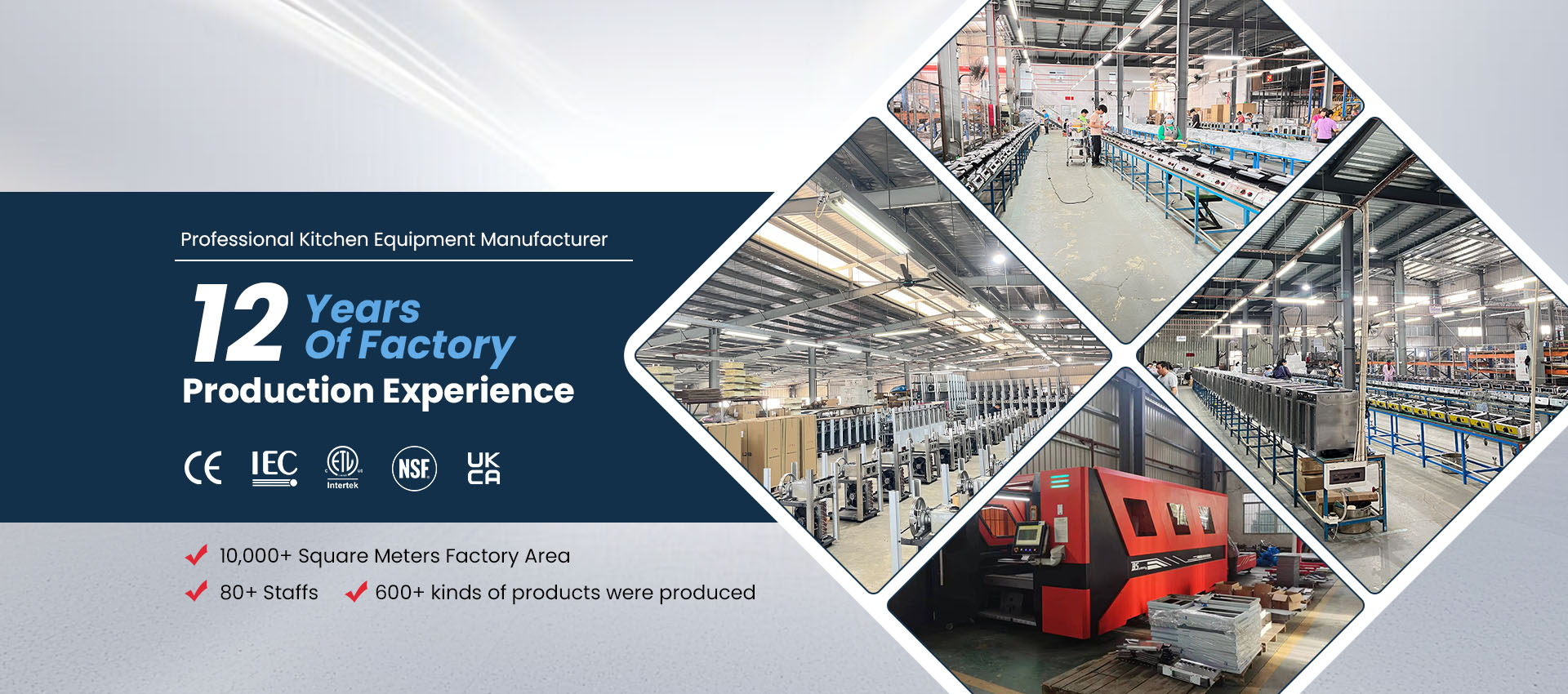
When working directly with a manufacturer such as MLP Kitchen, the process is structured and controlled internally, which significantly reduces delays compared to trader-based sourcing models that rely on multiple third-party factories.
Below is a breakdown of the typical timeline.
1. Prototype Development (7–15 Days)
After technical specifications are finalized, the engineering team begins prototype fabrication. This includes:
Sheet metal cutting and forming
Burner layout configuration
Cooking plate installation
Gas valve integration
Initial assembly
During this phase, structural alignment, surface flatness, and heat distribution performance are evaluated.
More complex configurations — such as multi-zone temperature control or custom dimensions — may extend this stage slightly.
2. Prototype Testing & Validation (5–10 Days)
Once the sample unit is built, performance testing is conducted:
Gas leakage testing
Flame stability verification
Temperature uniformity checks
Structural inspection
Operational safety testing
Feedback from the buyer is incorporated. If design revisions are minor, adjustments are completed quickly. Major structural changes may require additional validation time.
3. Engineering Confirmation & Production Planning (5–10 Days)
After prototype approval, detailed production drawings and component lists are finalized. This stage includes:
Confirming material standards (such as stainless steel grade and plate thickness)
Verifying burner specifications
Locking packaging requirements
Reviewing labeling and branding details
Scheduling production capacity
For bulk supply projects, manufacturing timelines are aligned with order quantity and delivery deadlines.
4. Mass Production (15–30 Days)
Once planning is complete, full production begins. In a factory-controlled environment like MLP Kitchen, this includes:
Material preparation and sheet metal fabrication
Precision bending and welding
Burner system assembly
Surface treatment and finishing
Quality control inspections at each stage
Final performance testing
Production speed depends on order volume. Larger orders require coordinated scheduling but benefit from standardized assembly workflows.
5. Certification & Export Preparation (Concurrent or Additional 5–15 Days)
If destination markets require specific compliance documentation, certification testing may occur in parallel with production. Export documentation, labeling, and reinforced packaging preparation are completed before shipment.
Total Estimated Timeline
For most commercial gas griddle OEM projects:
Standard customization: 30–45 days
Highly customized or certification-heavy projects: 45–60 days
Working directly with a manufacturer shortens coordination cycles because engineering, fabrication, testing, and quality control are integrated within one production system.
Factors That Influence Timeline
Several variables may extend or shorten the process:
Degree of structural customization
Required certification for export markets
Order volume
Material sourcing lead time
Packaging customization
Seasonal production demand
Clear technical specifications and early compliance alignment significantly reduce development delays.
Conclusion
Moving from prototype to mass production in a gas griddle OEM project typically requires one to two months under a structured manufacturing workflow. The speed and reliability of this transition depend heavily on whether the buyer works directly with a factory-based manufacturer.
By managing engineering validation, quality checkpoints, material confirmation, and bulk production internally, MLP Kitchen ensures a controlled, predictable transition from prototype approval to large-scale manufacturing — supporting restaurant chains, distributors, and commercial kitchen projects with reliable delivery timelines and consistent product performance.