


When procuring commercial Gas Griddles for restaurant chains, hospitality projects, or distributor supply programs, technical specifications determine not only cooking performance but also safety compliance, durability, and long-term maintenance cost. Because gas griddles operate under high heat and continuous workload, selecting the correct configuration at the sourcing stage is critical.
Working directly with a manufacturer such as MLP Kitchen allows buyers to translate operational needs into measurable engineering parameters rather than relying on generic catalog descriptions.
Below are the most important technical specifications that should be prioritized.
1. Cooking Surface Dimensions and Thickness
The cooking plate is the functional core of a gas griddle. Key considerations include:
Overall cooking surface width and depth
Plate thickness (which affects heat retention and recovery speed)
Surface flatness tolerance
Material type (carbon steel, alloy steel, cast iron)
Thicker plates typically provide better heat stability and reduce hot spots, which is especially important for high-volume kitchens.
2. Burner Configuration and Heat Output
Burner performance directly influences cooking efficiency and fuel consumption. Specifications should clarify:
Number of burners
Total BTU or heat output range
Independent heat zone control
Flame distribution pattern
Balanced burner placement ensures uniform temperature across the surface, preventing uneven cooking.
3. Gas Type and Pressure Compatibility
Gas griddles must match regional gas infrastructure. Confirm:
Compatibility with Natural Gas (NG) or Liquefied Petroleum Gas (LPG)
Required inlet pressure
Regulator compatibility
Gas connection size
Incorrect gas specification can lead to installation issues or safety hazards.
4. Temperature Control System
Precise temperature regulation is essential for consistent food quality. Important specifications include:
Control valve accuracy
Temperature adjustment range
Thermocouple safety integration
Recovery time after heat loss
Stable temperature control improves operational efficiency in busy kitchen environments.
5. Material Standards and Structural Design
Durability depends heavily on structural integrity and material grade. Buyers should verify:
Stainless steel grade used in exterior panels
Frame reinforcement thickness
Corrosion resistance level
Heat-resistant internal components
Clear material standards protect against deformation, rust, and structural fatigue.
6. Grease Management and Cleaning Design
Efficient grease handling improves hygiene and safety. Confirm:
Grease trough design
Removable grease tray capacity
Ease of access for cleaning
Splash guard height
Well-designed grease systems reduce maintenance time and fire risk.
7. Safety Features
Commercial kitchens require strict safety mechanisms. Technical specifications should include:
Gas leakage protection
Flame failure safety device
Pressure regulation control
Stable leg support and anti-slip design
Safety compliance is especially important for export markets with strict appliance regulations.
8. Dimensional Compatibility with Kitchen Layout
Procurement should consider installation space:
Overall equipment footprint
Countertop vs freestanding configuration
Clearance requirements for ventilation
Weight distribution for flooring capacity
Failure to match installation conditions can disrupt kitchen workflow.
9. Certification and Compliance Requirements
For international procurement, confirm:
Required gas appliance certifications
Labeling and marking standards
Export documentation capability
Regulatory alignment with destination market
Compliance readiness prevents shipment delays and regulatory rejection.
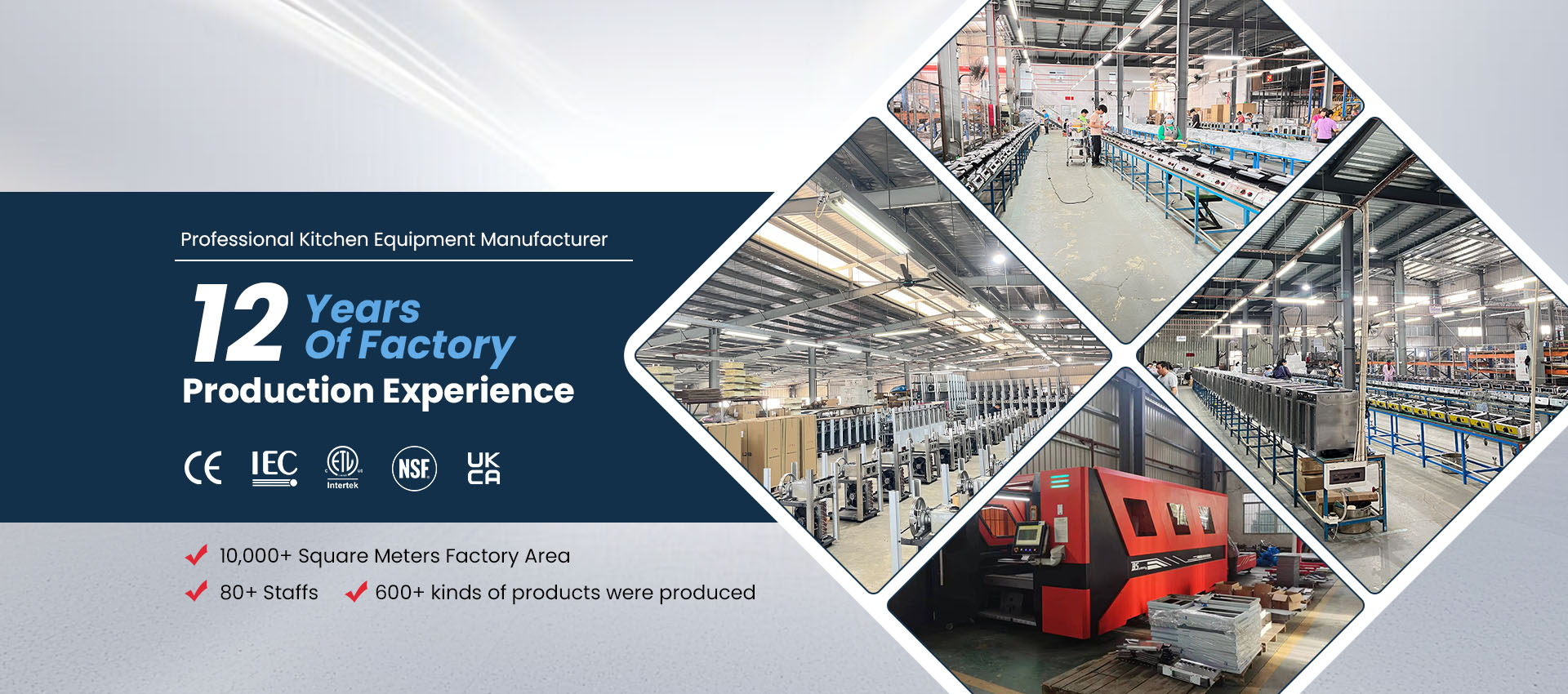
10. Production Consistency for Bulk Orders
When ordering at scale, uniformity matters. Ensure:
Standardized production tolerances
Consistent material sourcing
Documented quality checkpoints
Stable batch manufacturing workflow
Manufacturers with controlled production systems ensure repeatable quality across multiple shipments.
Conclusion
The most important technical specifications when procuring gas griddles include cooking surface dimensions, burner configuration, gas compatibility, temperature control accuracy, material standards, structural reinforcement, grease management, safety features, installation compatibility, and compliance readiness.
By working directly with a manufacturer such as MLP Kitchen, buyers can convert operational kitchen requirements into precise engineering specifications. This structured approach reduces risk, ensures performance consistency, and supports reliable bulk supply for commercial kitchen projects.