


What Are The Risks Of Sourcing Commercial Gas Griddles From Trading Companies?
Sourcing commercial Gas Griddles from trading companies may appear convenient at first, but it can introduce several risks for B2B buyers, especially when projects involve customization, certification compliance, or bulk orders.
Limited Technical Communication
Trading companies usually do not manufacture the equipment themselves. When buyers request technical adjustments such as burner configuration, plate thickness, gas compatibility, or control panel changes, the trader must communicate with the factory first. This extra layer can slow down responses and increase the possibility of incorrect information being passed between parties.
Unstable Product Consistency
Some traders source products from multiple factories depending on price or availability. This can result in variations in materials, structural design, or components between different batches of gas griddles. For distributors or restaurant chains, inconsistent product specifications may lead to operational issues or customer complaints.
Restricted Customization Options
OEM and private label projects often require adjustments to logos, packaging, control panels, or equipment configuration. Trading companies may have limited authority to modify products because design changes must be approved by the original factory. This can delay product development or restrict customization possibilities.
Lower Transparency In Production Capacity
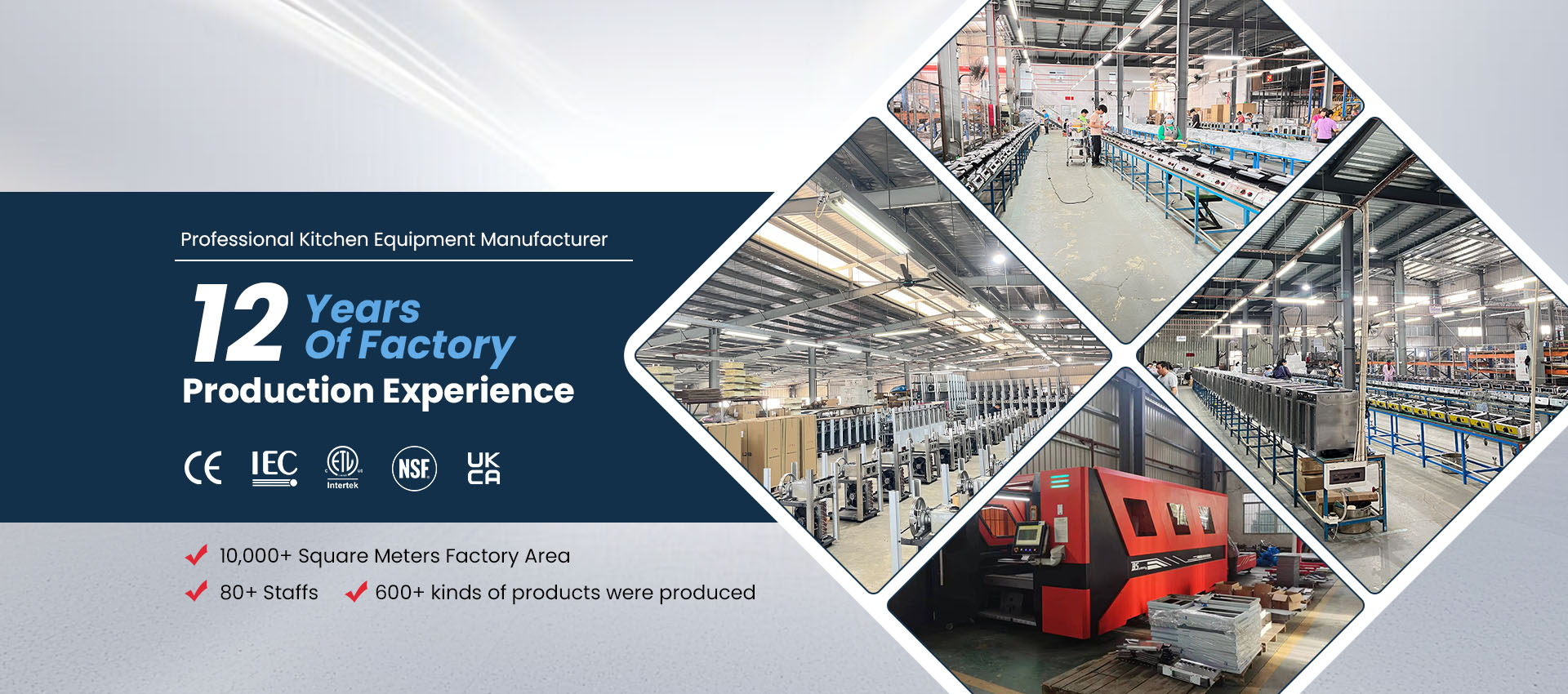
When working with traders, buyers usually cannot directly evaluate the manufacturing environment, production lines, or processing equipment. Without visibility into factory capabilities, it becomes difficult to verify whether the supplier can support large orders or maintain stable lead times.
Potential Compliance Uncertainty
Commercial gas griddles exported to international markets often require certifications and specific labeling standards. If traders source products from different factories, certification documents and product specifications may not always match the delivered equipment, which can create compliance risks during import or distribution.
For these reasons, many distributors and commercial kitchen equipment buyers prefer to cooperate directly with manufacturers. Direct factory partnerships provide clearer communication, better control over product specifications, and more reliable support for OEM projects and bulk procurement.