


How Do Import Regulations Impact Commercial Kitchen Equipment Pricing?
Import regulations shape commercial kitchen equipment pricing long before the goods reach the destination warehouse. The final landed cost is influenced not only by factory quotation, but also by certification, customs valuation, tariff treatment, labeling rules, sanitation requirements, and document control. In the EU, gas equipment must comply with Regulation EU 2016/426 before it can be legally placed on the market, while in the US, import value and duty assessment follow customs valuation rules under 19 CFR Part 152, and many foodservice projects also require recognized safety and sanitation certification. These layers add both direct cost and process cost to every shipment.
Compliance costs begin at the design stage
Import regulations affect price because export market compliance changes the product itself. A commercial gas appliance prepared for regulated markets usually needs a more disciplined design route, including verified components, technical documentation, warning labels, operating instructions, and stable production configuration. For EU-bound gas equipment, CE compliance is the legal starting point, and the manufacturer is responsible for ensuring the full product meets the applicable requirements before affixing the CE mark. That responsibility increases engineering time, testing expense, and document preparation cost, which all feed into equipment pricing.
Certification and sanitation requirements increase unit cost
In foodservice equipment, the cost impact is not limited to gas safety. Hygiene standards also matter. NSF states that NSF/ANSI 4 covers commercial cooking equipment and includes requirements for materials, design, construction, and performance. NSF also notes that certification includes audits of the production facility to confirm the product is made under controlled manufacturing practices. That means certified export models often require better surface finishing, cleaner weld execution, stricter material control, and more inspection time than non-certified versions. Those added controls raise the cost per unit, but they also reduce rejection risk in regulated projects.
Customs valuation and tariff treatment change landed cost
Another major pricing factor is customs valuation. Under US customs rules, transaction value is the primary valuation method, and the declared import value can include certain additions such as assists, packing, royalties, and other required adjustments. CBP guidance also notes that declared value should include items such as selling commissions, assists, royalties, production costs, packing, and proceeds where applicable. This matters in OEM / ODM projects because molds, customized packaging, brand-specific artwork, or buyer-supplied components can affect dutiable value. A quotation that looks competitive at factory level can become more expensive after customs valuation is applied correctly.
Manufacturer vs trader changes pricing transparency
The difference between a manufacturer vs trader becomes clear when regulations become part of the order. A manufacturer can usually control drawings, bills of materials, inspection records, and certification alignment within one system. A trader may quote a lower initial price, but the final project cost can rise if compliance files are incomplete, materials vary between batches, or certification scope does not match the shipped model. In regulated kitchen equipment, hidden risk often becomes hidden cost. That is why bulk supply considerations should include not only unit price, but also document ownership, revision control, and production traceability.
Pricing impact across the sourcing process
| Cost driver | How regulations affect it | Pricing result |
|---|---|---|
| Certification | Safety and sanitation testing, factory audits, technical file preparation | Higher development and approval cost |
| Materials | Better stainless steel control, traceable components, compliant food-contact surfaces | Higher raw material and inspection cost |
| Customs value | Packing, assists, royalties, and certain project inputs may be dutiable | Higher landed cost |
| Labeling and manuals | Market-specific warnings, rating plates, language versions | Higher packaging and admin cost |
| Quality control | Leak testing, functional checks, final inspection records | Higher labor cost but lower failure risk |
The most effective way to control these costs is to manage them early, not after the shipment is booked.
Why Dingfeng has an advantage in regulated export projects
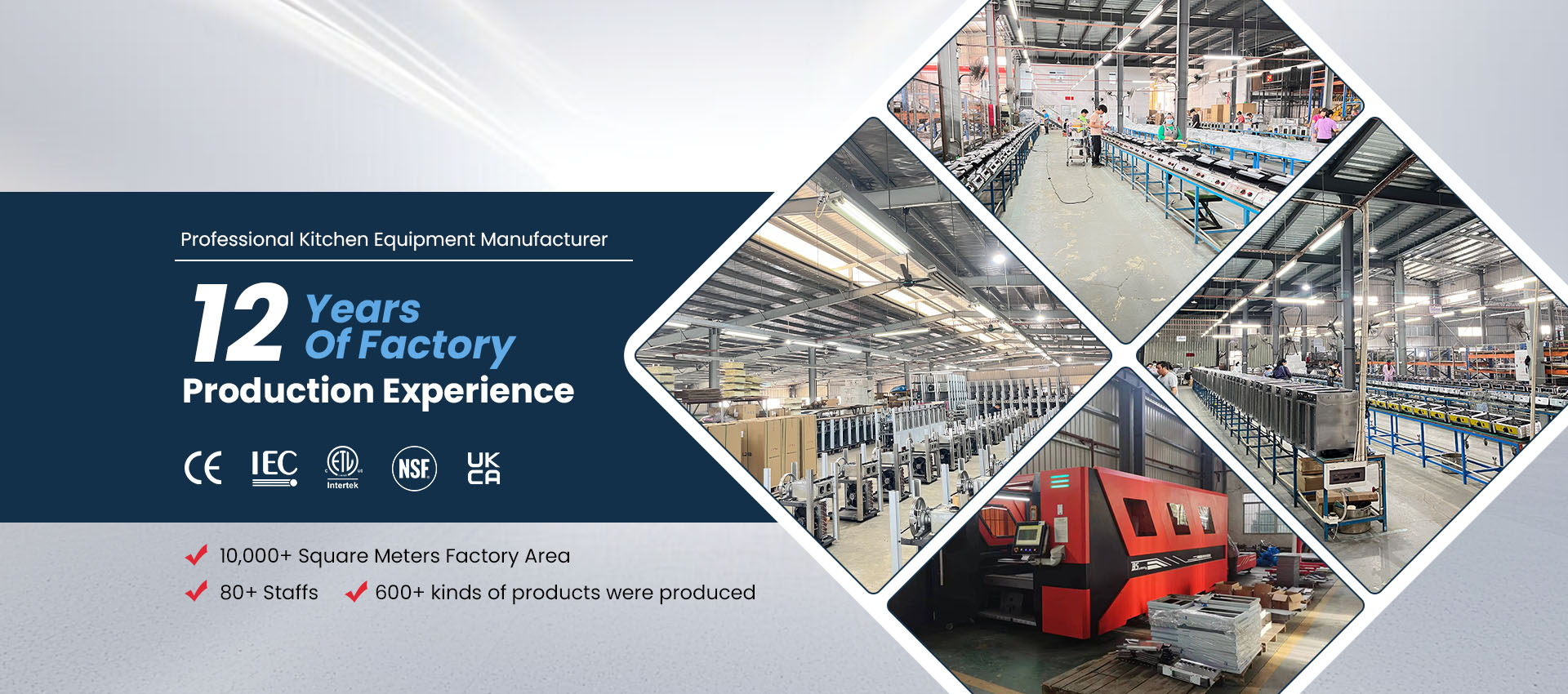
Dingfeng presents itself as a factory-based commercial kitchen equipment manufacturer rather than a simple trading source. Its website states that Jiangmen Dingfeng Saving Kitchen Electric Co., Ltd. operates a modern production factory of over 10,000 square meters, employs more than 80 trained staff, and has produced more than 1000 product types. Its site also highlights Gas Griddle quality control, raw material inspection, and safety inspection topics in recent factory content. This kind of in-house structure supports better cost control during export projects because manufacturing process overview, quality control checkpoints, and documentation can be managed together instead of across separate companies.
What buyers should check before comparing prices
A practical project sourcing checklist should cover five points. First, confirm which import regulations apply in the target market. Second, verify whether the quoted model already matches the required compliance path. Third, review the material standards used for food-contact and high-heat zones. Fourth, ask how the OEM / ODM process affects customs value, labeling, and certification scope. Fifth, confirm the supplier’s final inspection and documentation process before shipment. These checks help separate a low factory quote from a true landed-cost solution.
Import regulations do not only add cost. They also reshape how commercial kitchen equipment is designed, tested, documented, and shipped. The supplier that understands compliance, production, and pricing as one connected system is usually the supplier that delivers the most stable value over the full life of the order.