


What Is A Waffle Maker And How Does It Work
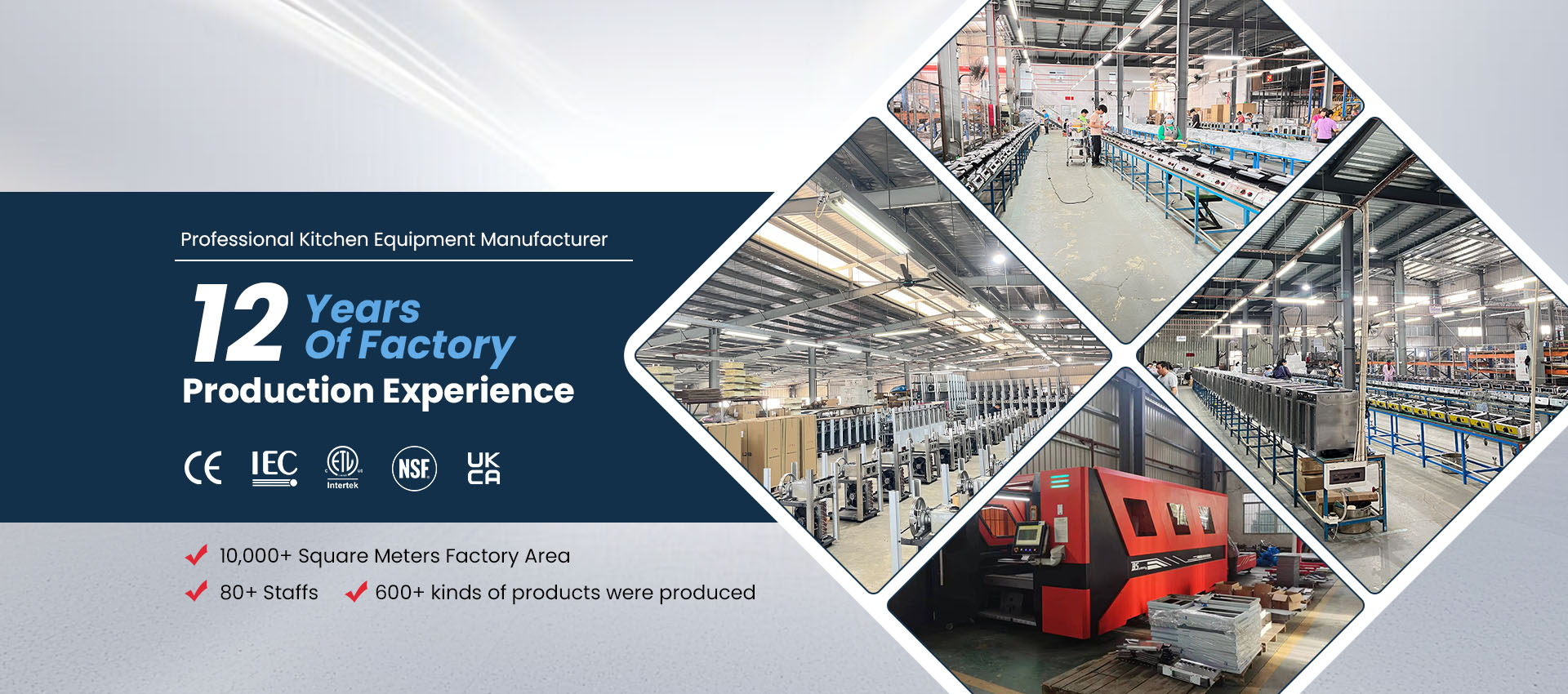
A Waffle Maker is a heated cooking appliance designed to bake batter between two patterned hot plates, forming a crisp outer surface and a soft interior at the same time. In commercial kitchens, it is used for stable, repeatable production rather than occasional use, which is why plate structure, heat recovery, and temperature control matter more than appearance alone. Dingfeng’s current product range shows that waffle makers are part of its Snack Equipment line, with multiple commercial models for different output styles and shapes. Its factory information also states that Jiangmen Dingfeng Saving Kitchen Electric Co., Ltd. operates a production site of over 10,000 square meters, employs more than 80 trained workers, and has produced more than 1000 product types, which gives it a stronger manufacturing base for supply continuity and OEM development.
How a waffle maker works in daily production
The working principle is simple, but the production logic behind it is more technical. Electricity powers internal heating elements, which transfer heat into the upper and lower baking plates. Once the plates reach the target temperature, batter is poured onto the lower plate, the upper plate is closed, and heat cooks the batter from both sides at the same time. Commercial user manuals commonly show this operating sequence as preheating first, then loading batter, then holding temperature through a thermostat-controlled cycle. That is why a good waffle maker does not only heat up fast. It must also recover temperature quickly between batches so the next waffle does not lose color, texture, or shape.
The key parts that affect performance
The baking plates are the core of the machine. Dingfeng describes one of its commercial Belgian waffle machines as using precision-cast aluminum plates with a non-stick surface and a stainless steel exterior for heavy-duty use. This structure matters because aluminum transfers heat efficiently, while stainless steel supports durability and easier cleaning in busy kitchens. In practical terms, the heating system, thermostat, plate depth, hinge structure, and housing material all influence output speed and product consistency. A commercial unit is expected to run through repeated cycles, so stability is more important than short-term peak temperature.
Why manufacturer capability matters more than trading convenience
When buyers compare a manufacturer vs trader, waffle makers may look simple, but production control still makes a major difference. A factory-based supplier can align plate casting, electrical assembly, temperature testing, label control, and spare-parts planning in one process. A trading company may provide a broad catalog, but it often depends on outside factories for drawings, components, and quality records. For bulk supply considerations, that difference becomes critical because repeat orders need the same heating behavior, the same mold pattern, and the same safety configuration as the approved sample. Dingfeng’s large product base and dedicated waffle maker category suggest a stronger platform for model continuity, which is especially important in OEM / ODM process work.
Manufacturing process overview and control points
A commercial waffle maker should be evaluated as a production system, not only as a countertop appliance. The manufacturing process overview usually starts with metal forming, plate casting or machining, heater installation, temperature control assembly, surface finishing, and final testing. Quality control checkpoints should include temperature accuracy, plate closing alignment, non-stick surface condition, wiring inspection, and repeated heating performance. In export projects, this process also links directly to labeling, manuals, and final carton control. A supplier that manages these details in-house usually offers better consistency across large shipments.
| Area | What it affects | Why it matters |
|---|---|---|
| Heating plates | Browning and texture | Determines shape clarity and cooking uniformity |
| Thermostat control | Temperature stability | Helps each batch stay consistent |
| Housing material | Durability and cleaning | Supports long service life in commercial kitchens |
| Final inspection | Output reliability | Reduces defect risk in bulk orders |
Material standards and export compliance also matter
Because waffle batter contacts the cooking surface directly, food-contact safety should be reviewed carefully. The European Commission states that Regulation EC No 1935/2004 sets the general principles of safety and inertness for food contact materials in the EU. The US FDA also explains that food contact substances include processing equipment and food preparation surfaces. This means project sourcing should not stop at output and price. Material standards used on food-contact surfaces, coating suitability, and traceability records are all part of a serious export market compliance review.
What buyers should check before choosing a commercial waffle maker
A practical project sourcing checklist is straightforward. Confirm the target output per hour. Check whether the plate design matches the intended waffle style. Review the thermostat range and heat recovery behavior. Verify the housing and food-contact materials. Ask how the OEM / ODM process is managed if mold shape, voltage, plug type, or branding needs to change. Finally, confirm the supplier’s quality control checkpoints before mass production. A waffle maker may look like a compact appliance, but in commercial use it is a precision heating product. The supplier that understands structure, process control, and export requirements together is usually the supplier that delivers more stable long-term value.