


What Is The Lead Time for Waffle Maker Production
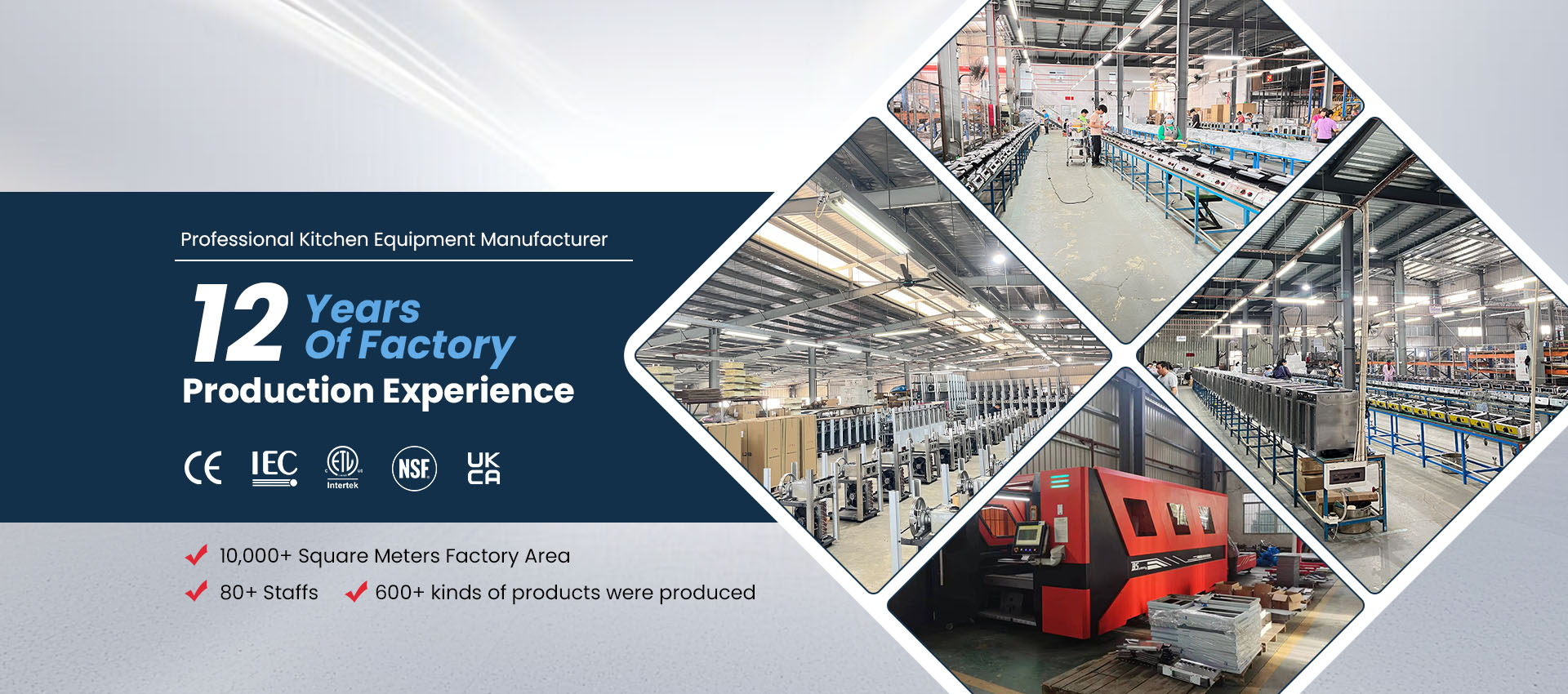
Waffle Maker production lead time depends less on the product name and more on the order structure behind it. A standard model with stable materials, fixed voltage, and unchanged packaging usually moves faster than a customized project with new molds, branding, certification review, or carton changes. Dingfeng presents itself as a factory-based commercial kitchen equipment manufacturer with a production site of more than 10,000 square meters, more than 80 trained employees, and more than 1,000 product types produced, which suggests stronger in-house coordination for repeated waffle maker production than a catalog-only trading model.
Standard orders usually move faster than customized orders
For a standard waffle maker already in production, the lead time is usually driven by raw material readiness, assembly scheduling, testing, and packing. Once the model, voltage, plug type, and carton format are confirmed, the factory can normally work from an existing bill of materials and established process route. Dingfeng’s waffle maker pages show stable product platforms rather than one-off concepts, including belgian waffle machines, sandwich waffle makers, and multi-grid models, which is useful because established models generally shorten the production cycle.
OEM and ODM projects usually need more time
Lead time becomes longer when the order includes OEM or ODM requirements. New logo plates, packaging redesign, plug conversion, control panel changes, color adjustments, or plate-shape redevelopment all add steps before mass production can begin. This is especially true for waffle makers because the baking plate is the core functional part of the machine. If the mold structure changes, the supplier may need new tooling checks, test samples, and a revised production plan before release. Dingfeng’s wide waffle maker range, including Belgian, sandwich, and specialty-pattern machines, suggests it has a broader platform for customization, but customized development still adds time compared with a ready-made standard model.
Production capacity and model type affect scheduling
The type of waffle maker also affects lead time. A single-plate machine, a double-plate unit, and a four-grid model do not move through production in exactly the same way because their component count, assembly time, and test load differ. Commercial buying guidance notes that single waffle makers typically produce about 20 to 30 waffles per hour, while double waffle makers can raise that output to around 40 to 60 waffles per hour. That same logic matters in manufacturing: higher-output machines often involve heavier structures, more heating-area checks, or more detailed assembly control. Dingfeng’s own lineup reflects this range, from compact business-use models to a four-grid waffle maker designed for simultaneous production of four standard waffles.
Manufacturer vs trader changes lead-time reliability
When buyers compare a manufacturer vs trader, the key issue is not only quoted days. It is whether the promised schedule is actually controllable. A manufacturer can usually coordinate metal fabrication, plate production, assembly, testing, and packing in one system. A trader often depends on outside factories for all of those steps, which can make the lead time less predictable when materials change or production becomes busy. Dingfeng’s site repeatedly describes its own factory base and production team, which supports a stronger case for schedule control than a pure trading route.
Manufacturing process overview explains where time is spent
A waffle maker lead time is really the total of several smaller stages. First comes raw material preparation, including stainless steel parts, aluminum plates, heating elements, controls, and packaging materials. Then come fabrication and assembly, followed by surface treatment, electrical installation, calibration, functional testing, cleaning, and packing. Dingfeng’s published product details point to a consistent material structure across its waffle line, including commercial-grade stainless steel exteriors, precision-cast aluminum plates, and non-stick surfaces. That kind of specification consistency can help shorten production planning for repeat orders, because the factory does not need to redefine the material path from the start each time.
Quality control checkpoints also shape the timeline
Short lead time is useful only when quality stays stable. In waffle maker production, time must be reserved for plate alignment checks, thermostat testing, timer verification, heating consistency checks, coating inspection, and final electrical safety review. Dingfeng’s product pages repeatedly highlight features such as adjustable thermostats, digital timers, and high-volume performance, which means the testing stage is part of the product value, not just a final formality. A supplier that skips these checkpoints may quote faster, but the real project cost rises later through defects, rework, or complaint handling.
Export market compliance can add time before shipment
Lead time is also affected by export preparation. If the order needs market-specific labels, manuals, voltage versions, or food-contact documentation, those tasks must be completed before shipment. For destination markets with stricter compliance expectations, even a ready machine may need extra document review and packaging confirmation. That is why bulk supply considerations should include not only factory production days, but also the time needed for inspection, labeling approval, and shipping document preparation. In practice, the shipment schedule is often determined by the slowest linked step, not by assembly alone.
A practical lead-time comparison
| Order type | Lead-time pressure | Main reason |
|---|---|---|
| Standard model repeat order | Lower | Existing materials, drawings, and packing route |
| New OEM logo or carton | Medium | Approval and packaging coordination |
| ODM structure or new plate design | Higher | Tooling, sampling, and validation |
| Export order with special compliance needs | Higher | Label, manual, and document preparation |
The table shows why there is no single universal answer for waffle maker production lead time. The schedule depends on how many variables are changed between inquiry and shipment.
What buyers should confirm before placing the order
A practical project sourcing checklist should confirm six points before discussing lead time in detail: whether the model is standard or customized, whether the plate structure changes, whether voltage or plug type changes, whether packaging is fixed or private label, whether inspection standards are agreed in advance, and whether export documents need special preparation. For waffle maker projects, the most reliable lead time usually comes from a supplier that controls production directly, uses stable material standards, and can connect OEM development, manufacturing process overview, quality control checkpoints, and shipment preparation in one workflow. Dingfeng’s factory scale, broad waffle maker range, and established commercial equipment platform support that manufacturer-led approach.