


What Is A Gas Waffle Maker Vs Electric
A gas Waffle Maker vs electric waffle maker mainly differs in heating source, installation needs, temperature control, and suitable kitchen environment. For commercial kitchens, the right choice depends on local energy cost, kitchen layout, daily output, safety rules, and export compliance.
Electric waffle makers are more common for cafés, buffets, dessert shops, and hotel breakfast areas because they are easier to install and control. Gas waffle makers may suit kitchens with existing gas lines and higher continuous cooking demand, but they need stricter ventilation and gas safety checks.
| Item | Gas Waffle Maker | Electric Waffle Maker |
|---|---|---|
| Energy Source | Gas connection | Electric power |
| Installation | Needs gas safety setup | Easier plug-based use |
| Temperature Control | Manual flame control | Thermostat control |
| Suitable Use | Heavy kitchen operation | Cafés, hotels, dessert shops |
| Compliance Focus | Gas safety and ventilation | Electrical safety and labels |
Manufacturer Vs Trader
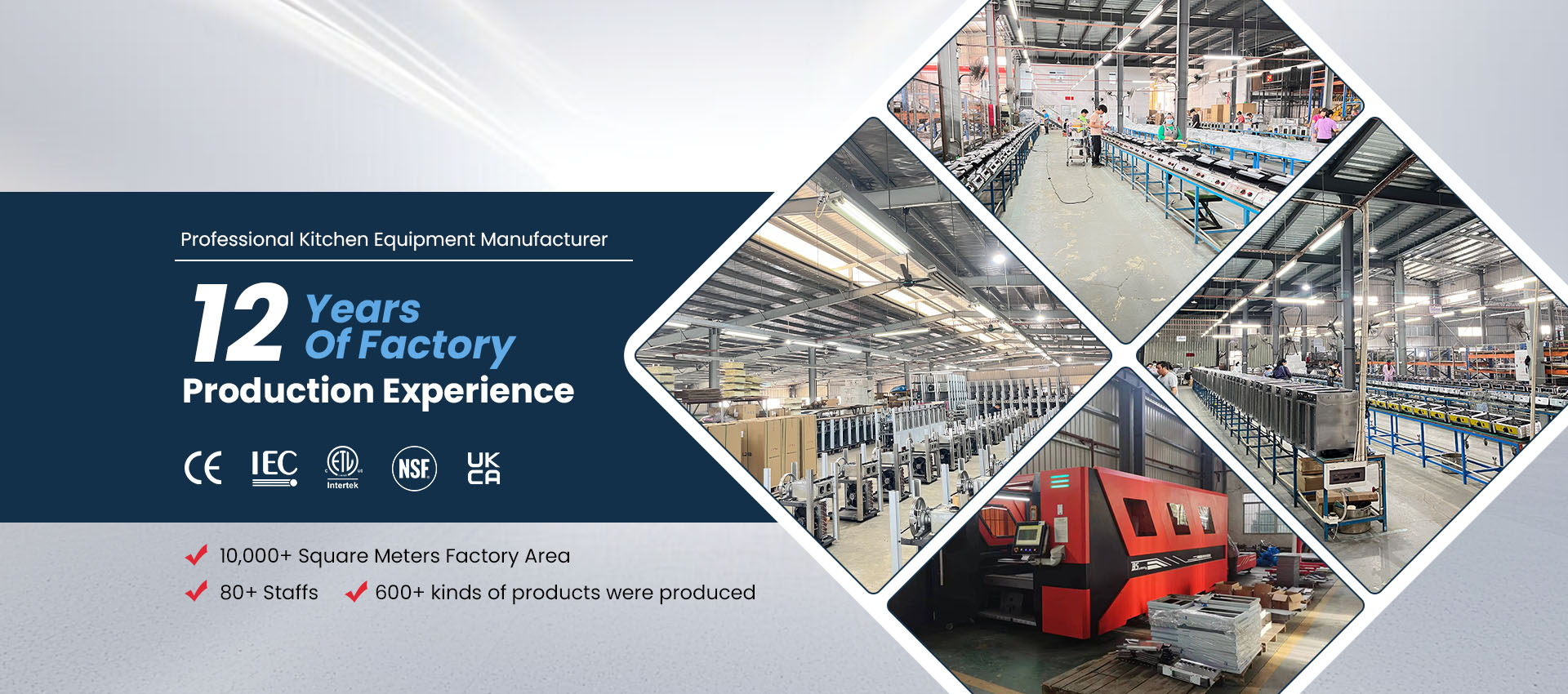
A manufacturer can control plate processing, heating structure, coating quality, wiring or gas component assembly, thermostat accuracy, and packing strength. A trader may offer models, but technical adjustment and quality correction usually depend on outside factories.
Dingfeng focuses on commercial kitchen equipment, including waffle makers, fryers, griddles, cooking ranges, Pasta Cookers, Pizza Ovens, Salamanders, and food warmers. For OEM / ODM projects, buyers should confirm energy type, voltage or gas standard, plug type, plate size, coating, label, manual language, spare parts, and carton packing before sampling.
Manufacturing And Quality Control
Electric waffle maker production focuses on heating element assembly, wiring safety, thermostat installation, leakage protection, handle insulation, and function testing. Gas waffle maker projects focus more on burner structure, gas valve safety, flame stability, ventilation requirements, and heat distribution.
Key quality checkpoints include coating adhesion, plate flatness, heating uniformity, temperature accuracy, hinge durability, label accuracy, food-contact material safety, and carton drop resistance.
Bulk Supply And Compliance
For export markets, electric models usually require CE, RoHS, plug standards, labels, manuals, and food-contact material checks. Gas models may need additional gas-related approvals based on the target market.
Before bulk ordering, buyers should check MOQ, lead time, inspection method, spare parts, warranty terms, loading quantity, and after-sales support. Dingfeng supports waffle maker sourcing with OEM / ODM adjustment, production control, quality inspection, and export packing preparation.