


How to Calculate the Long-Term Cost of Commercial Kitchen Equipment
When investing in commercial kitchen equipment, the purchase price is only one part of the total cost. A lower initial price may seem attractive, but equipment with frequent maintenance, unstable performance, or short service life can create higher expenses over time. A complete cost evaluation should include purchase cost, operating expenses, maintenance requirements, energy efficiency, and long-term reliability.
According to the U.S. Energy Information Administration, commercial buildings with foodservice operations often have significantly higher energy consumption than standard commercial facilities because of intensive cooking, refrigeration, and ventilation requirements. This means equipment efficiency plays an important role in controlling operational costs.
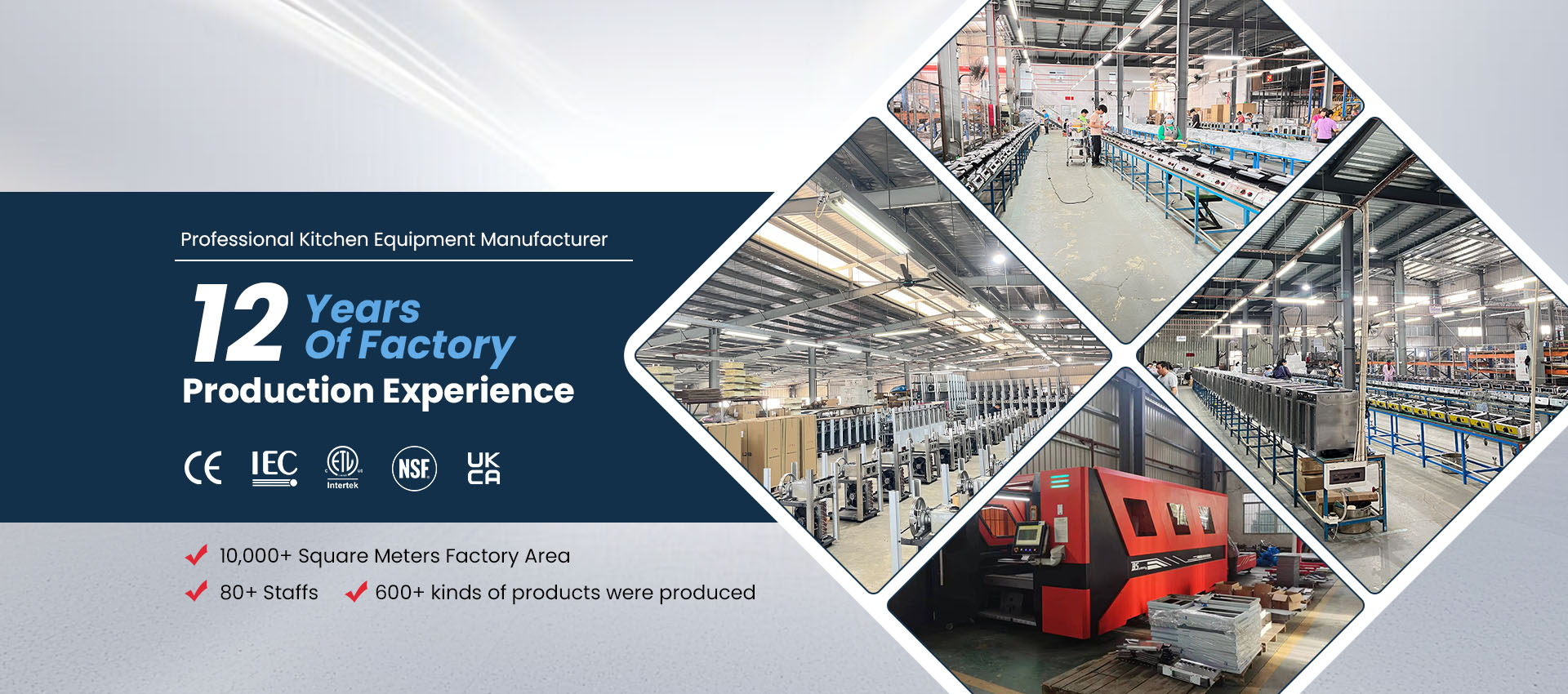
As a professional commercial kitchen equipment manufacturer, DINGFENG focuses on designing durable and efficient solutions for restaurants, catering projects, and foodservice applications. With manufacturing experience covering cooking equipment, Snack Equipment, Refrigeration Equipment, and Fast Food Equipment, DINGFENG helps customers evaluate equipment value beyond the initial investment. (DINGFENG)
Understanding The Total Cost Of Commercial Kitchen Equipment
The real cost of kitchen equipment is not only the amount paid during purchasing. A long-term cost analysis should consider multiple factors.
| Cost Factor | Description |
|---|---|
| Purchase Cost | Initial equipment investment |
| Installation Cost | Setup, connection, and commissioning expenses |
| Energy Cost | Gas or electricity consumption during operation |
| Maintenance Cost | Replacement parts and service requirements |
| Downtime Cost | Loss caused by equipment failure |
| Replacement Cost | Future investment when equipment reaches the end of its service life |
For example, a commercial griddle used every day in a busy kitchen needs stable heating performance and durable construction. Equipment that maintains consistent performance can reduce unnecessary repairs and improve kitchen efficiency. DINGFENG provides different Gas Griddle solutions designed for commercial cooking environments, including Professional Stainless Steel Gas Griddle. (DINGFENG)
Manufacturer vs Trader: How Supplier Type Affects Long-Term Value
The supplier you choose can influence the overall cost of ownership. A trader may provide products from different sources, but a direct commercial kitchen equipment manufacturer usually has better control over product design, material selection, and production quality.
Working directly with a manufacturer can provide:
Better understanding of product structure
More stable replacement parts supply
Faster technical communication
Flexible OEM and ODM support
More reliable product consistency
Manufacturers are involved in every production stage, from material preparation to final testing. This deeper production control helps reduce quality issues that may create additional costs after installation.
DINGFENG manages product development and manufacturing processes internally, allowing customized solutions based on different kitchen layouts, usage environments, and market requirements. (DINGFENG)
Evaluate Equipment Lifespan Instead Of Only Purchase Price
A common mistake when selecting equipment is focusing only on the lowest quotation. Commercial kitchen equipment works under high temperatures, moisture, grease, and continuous operation. Product durability directly affects long-term expenses.
A simple calculation method is:
Total Ownership Cost = Purchase Cost + Operating Cost + Maintenance Cost + Replacement Cost
For example:
| Equipment Option | Initial Cost | Maintenance Frequency | Long-Term Value |
|---|---|---|---|
| Lower Price Equipment | Lower | Higher | May increase operating expenses |
| Durable Commercial Equipment | Higher | Lower | Better long-term return |
A reliable restaurant equipment manufacturer should provide products designed for continuous commercial use rather than short-term applications.
Material Standards Used For Long-Term Performance
Material quality is one of the most important factors affecting equipment lifespan. Commercial kitchens require materials that can handle heat, cleaning chemicals, and frequent operation.
Stainless steel is commonly used in professional kitchen equipment because it provides:
Strong corrosion resistance
Easy cleaning performance
Better hygiene conditions
Structural durability
However, material thickness, welding quality, surface treatment, and component selection also influence final performance.
During manufacturing, DINGFENG focuses on material selection and fabrication control to ensure equipment maintains stable performance in demanding foodservice environments.
Manufacturing Process Overview And Cost Control
A professional manufacturing process helps improve equipment reliability and reduce hidden costs.
The main production stages include:
Raw Material Inspection
Materials are checked before production to ensure they meet required standards.
Metal Fabrication
Cutting, bending, welding, and polishing determine structural strength and appearance quality.
Component Assembly
Heating systems, electrical parts, and control components are installed according to technical requirements.
Performance Testing
Finished products are tested for operation stability, safety, and functional performance.
A complete manufacturing process allows suppliers to identify problems before shipment, reducing future maintenance issues.
Quality Control Checkpoints Reduce Future Expenses
Quality control is directly connected with long-term equipment cost. Poor quality control can lead to unexpected repairs, production interruptions, and replacement expenses.
Important inspection points include:
Material inspection before production
Welding and structure inspection
Electrical and heating system testing
Temperature control verification
Final appearance and packaging inspection
A professional foodservice equipment manufacturer should have clear quality procedures instead of relying only on final product checks.
DINGFENG applies quality control throughout manufacturing to improve equipment consistency and reliability before delivery.
OEM and ODM Process For Better Project Cost Management
Customization can also influence long-term costs. Standard equipment may not always match specific kitchen layouts or operational requirements.
Through OEM and ODM services, manufacturers can optimize:
Equipment dimensions
Functional configuration
Power specifications
Product appearance
Packaging requirements
A suitable design can improve kitchen workflow and reduce unnecessary equipment investment.
For large restaurant projects, customized solutions often provide better space utilization and operational efficiency compared with unsuitable standard products.
Bulk Supply Considerations For Cost Efficiency
For commercial projects requiring multiple units, bulk supply capability becomes an important factor.
A reliable bulk supply commercial kitchen equipment supplier should provide:
Stable production capacity
Consistent product specifications
Efficient production scheduling
Professional export packaging
Quality control for every batch
Large-volume projects require consistency because different equipment batches should maintain the same performance and installation standards.
Export Market Compliance And Hidden Cost Prevention
International equipment purchasing requires attention to compliance requirements. Incorrect specifications or missing documentation may create additional costs during installation or customs procedures.
A professional supplier should understand:
Voltage requirements
Safety standards
Product documentation
Packaging regulations
Export procedures
DINGFENG supports international customers with commercial kitchen equipment solutions designed for different market requirements.
Project Sourcing Checklist For Long-Term Investment
Before selecting equipment, consider the following checklist:
Is the supplier a real manufacturer?
Does the factory provide OEM or ODM services?
Are production processes controlled internally?
Are materials suitable for commercial use?
Does the equipment have strict quality inspection?
Can the supplier support long-term supply?
Does the supplier understand export requirements?
Choosing equipment based on total ownership cost helps avoid unexpected expenses and improves long-term operational efficiency.
Making Smarter Commercial Kitchen Equipment Decisions
The best commercial kitchen equipment investment is not always the cheapest option. Reliable equipment should deliver stable performance, lower maintenance requirements, and longer service life.
As an experienced commercial cooking equipment manufacturer, DINGFENG combines manufacturing capability, quality control, customization services, and export experience to provide dependable solutions for restaurants, catering businesses, and professional kitchens worldwide. (DINGFENG)