


How ODM Services Improve Commercial Kitchen Equipment Development
Developing commercial kitchen equipment requires more than producing standard models. Different restaurants, catering projects, and foodservice operations often have unique requirements for product structure, functions, appearance, and application environments. This is why ODM services have become an important solution for creating more practical and efficient kitchen equipment.
A professional commercial kitchen equipment manufacturer with ODM capability can participate in product development from the early design stage, helping optimize product structures, improve manufacturing feasibility, and create solutions that better match market requirements.
According to manufacturing process management principles, product quality depends not only on final inspection but also on controlled design, production procedures, and process verification. A qualified manufacturing process helps ensure that products can consistently meet required standards during commercial production.
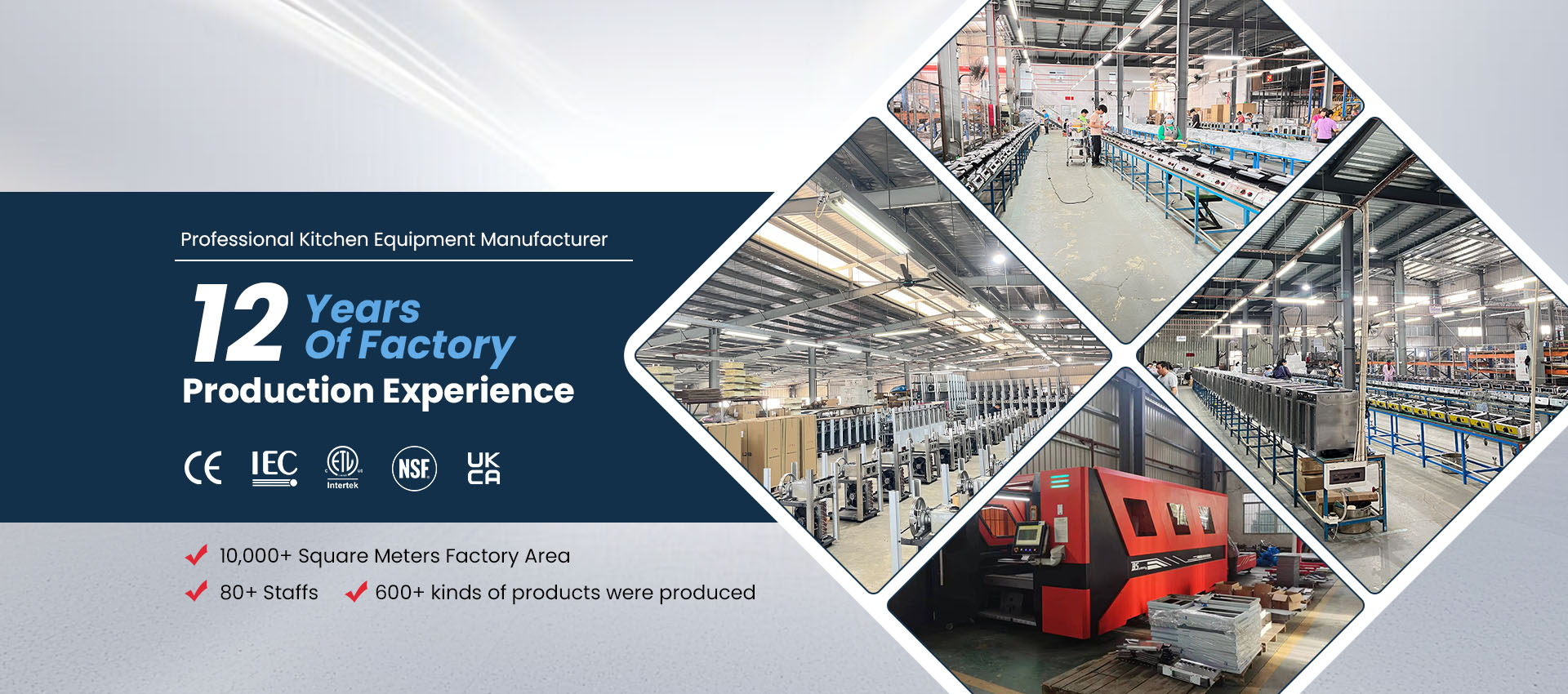
As an experienced commercial kitchen equipment manufacturer, DINGFENG provides ODM and OEM solutions for cooking equipment, Snack Equipment, Refrigeration Equipment, and customized foodservice products. Through engineering support and factory-controlled production, DINGFENG helps develop reliable equipment solutions for different markets.
ODM vs Traditional Product Supply: Why Development Support Matters
The biggest difference between ODM services and traditional product sourcing is the level of manufacturer involvement.
A trader mainly provides existing products from different suppliers, while an ODM manufacturer participates in:
Product concept development
Structural optimization
Functional improvement
Material selection
Production preparation
Quality verification
For commercial kitchen equipment, ODM is valuable because many projects require more than standard specifications.
A professional restaurant equipment manufacturer can help improve:
| Development Area | ODM Value |
|---|---|
| Product Structure | Optimize design for practical use |
| Function Design | Adjust features based on application |
| Manufacturing | Ensure designs can be produced efficiently |
| Materials | Select suitable commercial-grade materials |
| Testing | Verify performance before mass production |
DINGFENG combines engineering experience with manufacturing capability to support product development from concept to finished equipment.
Step 1: Understanding Application Requirements
ODM development starts with understanding how equipment will be used.
Before design begins, manufacturers evaluate:
Kitchen workflow
Cooking methods
Space limitations
Production capacity
Operating environment
Market requirements
Different applications require different solutions. A compact restaurant kitchen may need space-saving designs, while a large catering operation may require higher capacity and stronger durability.
A clear project sourcing checklist helps manufacturers understand requirements before development begins.
| Evaluation Item | Purpose |
|---|---|
| Application | Confirm equipment usage |
| Capacity | Match production requirements |
| Dimensions | Fit kitchen layout |
| Functions | Define operating needs |
| Market | Meet regional requirements |
DINGFENG works with customers to analyze application conditions and develop equipment solutions based on actual operating needs.
Step 2: Product Design And Engineering Optimization
One of the key advantages of ODM services is professional engineering support.
During development, engineers review:
Product structure
Internal components
Manufacturing feasibility
Operating performance
Maintenance requirements
The goal is not only to create a new appearance but also to ensure the product can achieve stable performance during daily commercial operation.
A professional ODM commercial kitchen equipment manufacturer should balance design innovation with manufacturing practicality.
The ODM process usually includes:
Product concept discussion
Engineering evaluation
Structural design
Prototype development
Performance testing
Mass production preparation
This approach reduces production risks and improves product reliability.
Step 3: Material Standards Used In ODM Development
Material selection is a critical part of ODM equipment development.
Commercial kitchen equipment operates under:
High temperatures
Moisture exposure
Grease environments
Frequent cleaning
Therefore, manufacturers need to select materials according to application requirements.
Stainless steel is commonly used in professional kitchen equipment because it provides corrosion resistance, durability, and easy maintenance performance.
Important material considerations include:
| Material Factor | Manufacturing Impact |
|---|---|
| Stainless Steel Grade | Determines durability |
| Material Thickness | Affects structural strength |
| Surface Treatment | Improves cleaning performance |
| Component Quality | Influences reliability |
For products such as the Professional Stainless Steel Gas Griddle, ODM development requires careful consideration of heating performance, cooking surface design, and structural stability.
DINGFENG manages material selection and inspection during production to ensure customized products maintain commercial-grade performance.
Step 4: Manufacturing Process Overview For ODM Products
After design confirmation, ODM products enter the manufacturing stage.
A professional manufacturing process includes:
Engineering Preparation
Technical drawings and production specifications are reviewed.
Material Preparation
Raw materials and components are inspected before production.
Metal Fabrication
Production includes:
Cutting
Bending
Welding
Surface finishing
Assembly
Heating systems, electrical components, and functional parts are installed.
Testing
Finished products are tested for:
Performance stability
Safety operation
Temperature control
Structural reliability
ODM manufacturing requires strong production control because customized designs must be reproduced consistently during mass production.
DINGFENG uses standardized manufacturing procedures to maintain quality consistency throughout ODM projects.
Step 5: Quality Control During ODM Development
Quality control is integrated throughout the ODM process.
A professional foodservice equipment manufacturer should establish inspection checkpoints from materials to final shipment.
| Quality Control Stage | Inspection Focus |
|---|---|
| Material Inspection | Verify raw material standards |
| Design Verification | Confirm approved specifications |
| Fabrication Inspection | Check welding and structure |
| Assembly Inspection | Verify component installation |
| Functional Testing | Confirm product performance |
| Final Inspection | Approve shipment quality |
Quality management systems help manufacturers identify problems earlier and improve product consistency.
DINGFENG applies multiple inspection procedures during ODM production to ensure customized equipment meets approved requirements.
Step 6: Bulk Production And Supply Management
ODM services are not complete after product design. The manufacturer must also ensure stable mass production.
For bulk orders, important considerations include:
Production capacity
Material supply stability
Manufacturing consistency
Batch inspection
Delivery planning
A reliable bulk supply commercial kitchen equipment supplier needs both development capability and production capability.
The challenge of ODM manufacturing is maintaining the same product quality from the first prototype to thousands of finished units.
DINGFENG combines product development experience with factory production management to support different project volumes.
Step 7: Export Market Compliance Support
ODM products designed for international markets must consider export requirements from the beginning.
Manufacturers need to evaluate:
Voltage standards
Safety requirements
Product documentation
Packaging methods
Transportation conditions
Export preparation should be included during the design stage because some requirements may affect product structure and components.
DINGFENG supports international commercial kitchen equipment projects by integrating market requirements into product development and manufacturing processes.
How ODM Services Create Better Kitchen Solutions
ODM services improve commercial kitchen equipment development by combining design capability, engineering support, manufacturing control, and quality management.
Compared with simple product supply, ODM allows manufacturers to participate in improving product functions, optimizing structures, and creating solutions that better match different market needs.
A professional OEM and ODM commercial kitchen equipment manufacturer provides value through complete development support, from initial concept evaluation to final production.
With factory-controlled manufacturing, engineering capability, strict quality inspection, and a complete commercial kitchen equipment range, DINGFENG continues to provide customized solutions for restaurants, catering projects, and foodservice applications worldwide.