


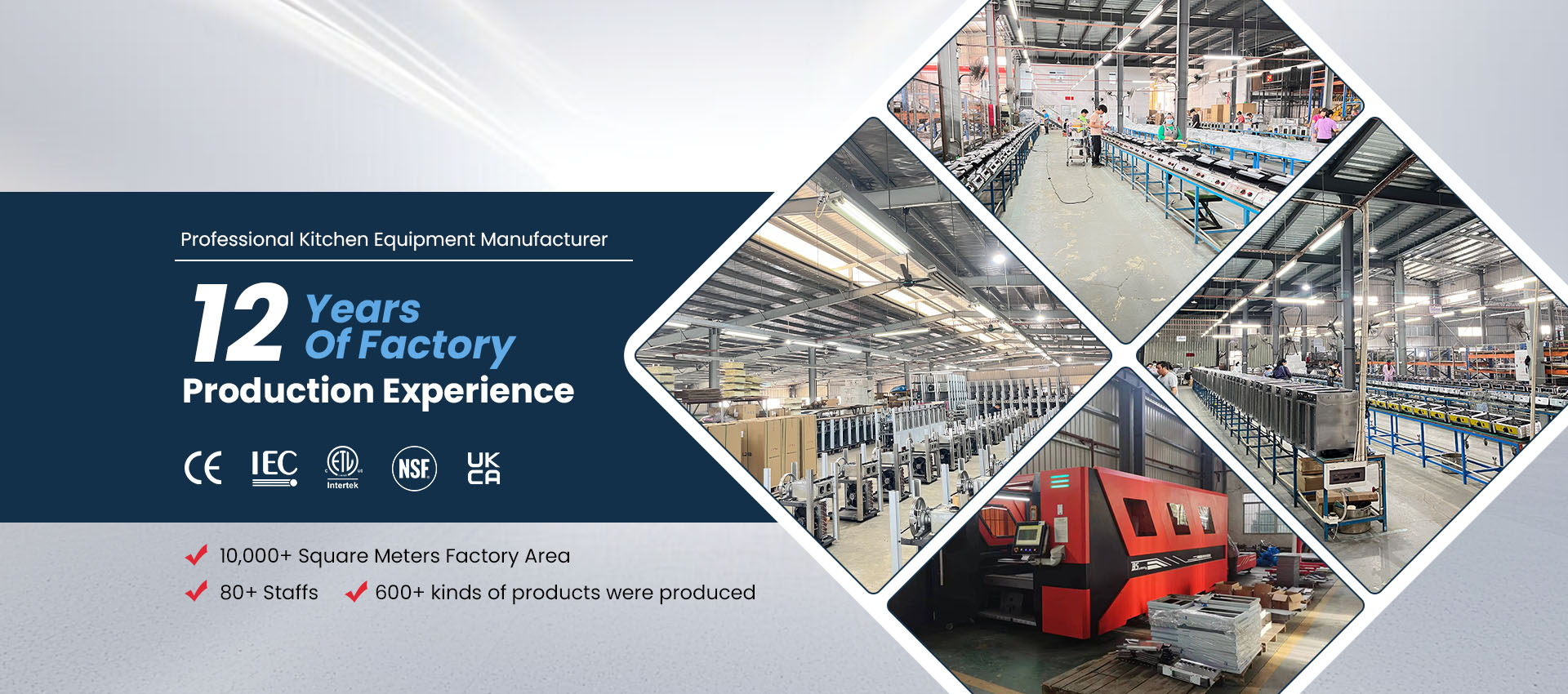
What Should International Buyers Know About Commercial Kitchen Equipment Export?
International buyers should understand that commercial kitchen equipment export requires reliable manufacturing, quality control, compliance management, packaging standards, and professional supplier support.
Why Is Understanding commercial kitchen equipment Export Important?
commercial kitchen equipment is widely used in restaurants, hotels, catering facilities, food service businesses, and commercial kitchens worldwide. For international buyers, purchasing equipment from overseas manufacturers involves more than product selection.
Export projects require careful consideration of product quality, technical specifications, transportation requirements, documentation, and after-sales support.
A professional export manufacturer should provide not only reliable equipment but also complete support throughout production, inspection, shipping, and installation processes.
Understanding the export process helps buyers reduce purchasing risks and select suppliers that can support long-term business development.
What Should Buyers Check When Selecting a commercial kitchen equipment manufacturer?
Choosing the right manufacturer is the first step in a successful export project.
Important evaluation factors include:
Manufacturing experience
Production capability
Product quality system
Customization ability
Export experience
A manufacturer with strong production capabilities can better control product consistency and delivery reliability.
International buyers should evaluate factory capability rather than focusing only on product pricing.
Why Is Product Quality Control Important for Export Equipment?
Quality control is especially important for exported commercial kitchen equipment because international transportation and installation can make repairs more difficult.
Professional manufacturers usually control quality through:
Raw material inspection
Production process monitoring
Assembly inspection
Performance testing
Final product verification
Quality control helps ensure that equipment arrives in proper condition and performs reliably after installation.
For international projects, stable product quality reduces maintenance costs and operational delays.
What Materials Should International Buyers Consider?
Material selection directly affects equipment durability, hygiene, and service life.
Commercial kitchen equipment commonly requires materials with:
Corrosion resistance
Structural strength
Easy cleaning performance
Long-term durability
Stainless steel is widely used because it can withstand demanding kitchen environments involving moisture, heat, grease, and frequent cleaning.
Buyers should understand material specifications, thickness, surface treatment, and fabrication quality when evaluating equipment.
How Important Are Product Certifications and Compliance Requirements?
Different countries and regions may have different requirements for commercial kitchen equipment.
International buyers should consider:
Electrical safety requirements
Food contact material requirements
Local installation standards
Import regulations
Documentation requirements
A professional manufacturer should understand export requirements and provide necessary technical information and documents.
Compliance preparation helps reduce customs issues and installation challenges.
What Should Buyers Know About Commercial Kitchen Equipment Customization?
Many international projects require customized equipment based on:
Kitchen layout
Available space
Menu requirements
Local operating conditions
Brand specifications
Manufacturers with engineering and production capabilities can provide customized solutions instead of only standard products.
Customization may include:
Equipment dimensions
Functional configurations
Surface finishing
Product appearance
Packaging requirements
A strong customization process helps equipment better match real application needs.
How Do Manufacturers Ensure Export Product Reliability?
Export reliability depends on both manufacturing quality and preparation before shipment.
Manufacturers typically focus on:
Production Inspection
Checking product quality during manufacturing.
Performance Testing
Confirming equipment functions correctly before delivery.
Packaging Protection
Using suitable packaging methods to reduce transportation damage.
Shipment Preparation
Ensuring products, accessories, and documents are complete.
Proper export preparation helps minimize problems after products arrive at the destination.
Why Does Packaging Matter in Commercial Kitchen Equipment Export?
Commercial kitchen equipment often travels long distances before reaching the final customer.
Professional packaging helps protect equipment from:
Transportation impact
Moisture exposure
Surface scratches
Component damage
Export packaging should consider product structure, shipping distance, and transportation conditions.
Good packaging is an important part of ensuring successful international delivery.
What Should Buyers Know About Shipping Commercial Kitchen Equipment?
International shipping requires careful planning.
Important considerations include:
Equipment size and weight
Shipping method
Delivery schedule
Loading requirements
Import procedures
Experienced export manufacturers can help buyers prepare products according to transportation requirements.
Proper shipping coordination helps improve delivery efficiency and reduce unexpected costs.
How Can Buyers Evaluate an Export Manufacturer’s Experience?
Supplier experience is an important indicator of export capability.
Buyers can evaluate:
Previous Export Projects
Experience with international markets indicates familiarity with export procedures.
Production Capability
Professional factories can handle consistent quality and larger orders.
Communication Ability
Clear technical communication helps avoid misunderstandings.
After-Sales Support
Reliable support helps solve issues after installation.
Why Is After-Sales Support Important for International Buyers?
Commercial kitchen equipment is a long-term investment. After-sales support affects equipment performance throughout its service life.
Important support includes:
Technical guidance
Operation instructions
Spare parts availability
Maintenance recommendations
Problem-solving assistance
Manufacturers that provide strong support help international customers maintain stable operations.
How Should International Buyers Compare Different Suppliers?
Supplier comparison should consider overall value rather than only initial cost.
Important comparison factors include:
| Evaluation Factor | Why It Matters |
|---|---|
| Manufacturing Ability | Ensures production reliability |
| Quality Control | Reduces product risks |
| Export Experience | Improves shipping process |
| Customization Capability | Supports project requirements |
| Service Support | Helps long-term operation |
A comprehensive evaluation helps buyers select more reliable partners.
Why Does Choosing the Right Export Manufacturer Create Long-Term Value?
Commercial kitchen equipment supports daily business operations. Reliable export partners help businesses achieve stable performance and reduce future risks.
The right manufacturer provides:
Consistent product quality
Professional export support
Better customization options
Reliable delivery
Long-term cooperation value
For international buyers, supplier selection is a strategic decision that affects business efficiency and operational success.
Conclusion: What Should International Buyers Know About Commercial Kitchen Equipment Export?
International buyers should consider manufacturing capability, quality control, compliance requirements, customization support, packaging, shipping, and after-sales service when purchasing commercial kitchen equipment for export.
Working with an experienced manufacturer helps ensure reliable equipment delivery, stable performance, and long-term value in global commercial kitchen applications.
Previous:
Next: What Factors Affect Commercial Ice Cream Machine Performance?