


How To Remove Gas Kine From Fryer Safely
Removing a gas line from a fryer must always be done carefully to prevent leaks, fires, or equipment damage. Whether you’re relocating your fryer, performing maintenance, or replacing a hose, it’s critical to follow the correct disconnection procedures.
This guide explains how to safely remove the gas line from a commercial fryer, what tools you need, and how to inspect and reattach connections afterward. It also highlights how MLP Kitchen Equipment designs its commercial Gas Fryers with easy-access gas inlets and certified fittings to make maintenance and installation safer and faster.
1. Why Gas Line Removal Must Be Done Carefully
A gas fryer operates under pressurized natural gas or liquefied propane (LP). Mishandling the gas connection can cause:
Gas leaks, which pose explosion or fire risks.
Damage to the gas valve or regulator, affecting performance.
Contamination or moisture entry, leading to ignition problems later.
Following proper safety steps ensures both personal safety and equipment reliability.
2. Tools and Materials You’ll Need
| Tool / Material | Purpose |
|---|---|
| Adjustable wrench | Loosens gas fittings |
| Pipe thread sealant (for reinstallation) | Ensures airtight reconnection |
| Soapy water spray bottle | Leak testing after reinstallation |
| Gas shutoff valve | Must be present on all fryer lines |
| Protective gloves | Prevents burns or injuries |
| Soft cloth | Cleans fittings after removal |
3. Step-by-Step: How To Remove Gas Line From Fryer Safely
Step 1: Turn Off the Fryer
Switch the fryer’s power and gas control knobs to the OFF position. Allow the fryer to cool completely — hot oil and metal parts can cause serious burns.
Step 2: Shut Off the Main Gas Supply
Locate the shutoff valve on the gas line (usually a lever-type valve behind or under the fryer).
Turn the valve perpendicular (crosswise) to the gas pipe to close it fully.
For propane systems, close the cylinder valve tightly at the tank.
This stops gas flow and depressurizes the line before disconnection.
Step 3: Vent Any Remaining Gas Pressure
After closing the supply valve, wait 2–3 minutes to allow residual gas pressure to dissipate.
You may hear a brief hiss — this is normal as trapped gas escapes safely.
Step 4: Loosen the Hose Connection
Using an adjustable wrench, gently loosen the fitting connecting the hose to the fryer inlet.
Always hold the fryer’s gas inlet steady with another wrench to prevent twisting or damaging internal threads.
Turn counterclockwise to loosen the nut.
If the connection is tight, apply steady, even pressure — avoid jerking motions that could strain the joint.
Step 5: Detach the Gas Hose
Once loose, carefully pull the gas hose away from the fryer inlet.
If the hose is still pressurized or smells strongly of gas, immediately step back and recheck that the supply valve is fully closed.
Step 6: Cap or Cover the Gas Inlet
If the fryer will remain disconnected for a while:
Use a threaded safety cap or plastic cover to seal the open gas inlet.
This prevents dust, grease, or moisture from entering the valve assembly.
For propane systems, also place a cap on the regulator outlet.
Step 7: Clean the Fittings
Wipe both the hose and inlet fittings with a soft, dry cloth to remove oil residue or dust.
Inspect the threads for wear, cracks, or rust. Damaged fittings should be replaced before reconnecting.
4. Reconnecting or Replacing the Gas Line
If you plan to reinstall or replace the gas hose:
Apply a thin layer of gas-rated thread sealant or PTFE tape to the male threads.
Tighten the connection securely using a wrench.
Open the gas supply slowly and spray soapy water onto the joint.
Watch for bubbles — if any appear, tighten again or replace the fitting.
Never use open flames (matches or lighters) to test for leaks.
5. Important Safety Tips
| Action | Purpose |
|---|---|
| Always close the main gas valve before removing the hose | Prevents leaks and fire hazards |
| Wait until the fryer cools | Avoid burns from hot oil or metal |
| Keep ignition sources away | No smoking or open flames nearby |
| Check gas type before reconnecting | Natural gas and LP fittings differ |
| Use certified flexible hoses | Ensure compliance with safety standards |
| Test for leaks every time you reconnect | Ensures safe operation |
Proper safety practices protect both personnel and equipment.
6. Common Mistakes to Avoid
| Mistake | Risk |
|---|---|
| Removing the hose while gas is still on | Gas leakage or explosion |
| Using pliers instead of wrenches | Damages fittings or threads |
| Reconnecting without sealant | Causes slow gas leaks |
| Forgetting to check for leaks | Increases fire hazard |
| Pulling the fryer while connected | Tears the hose or damages inlet valve |
Taking an extra minute to double-check connections prevents costly accidents.
7. Why Choose MLP Kitchen Equipment Gas Fryers
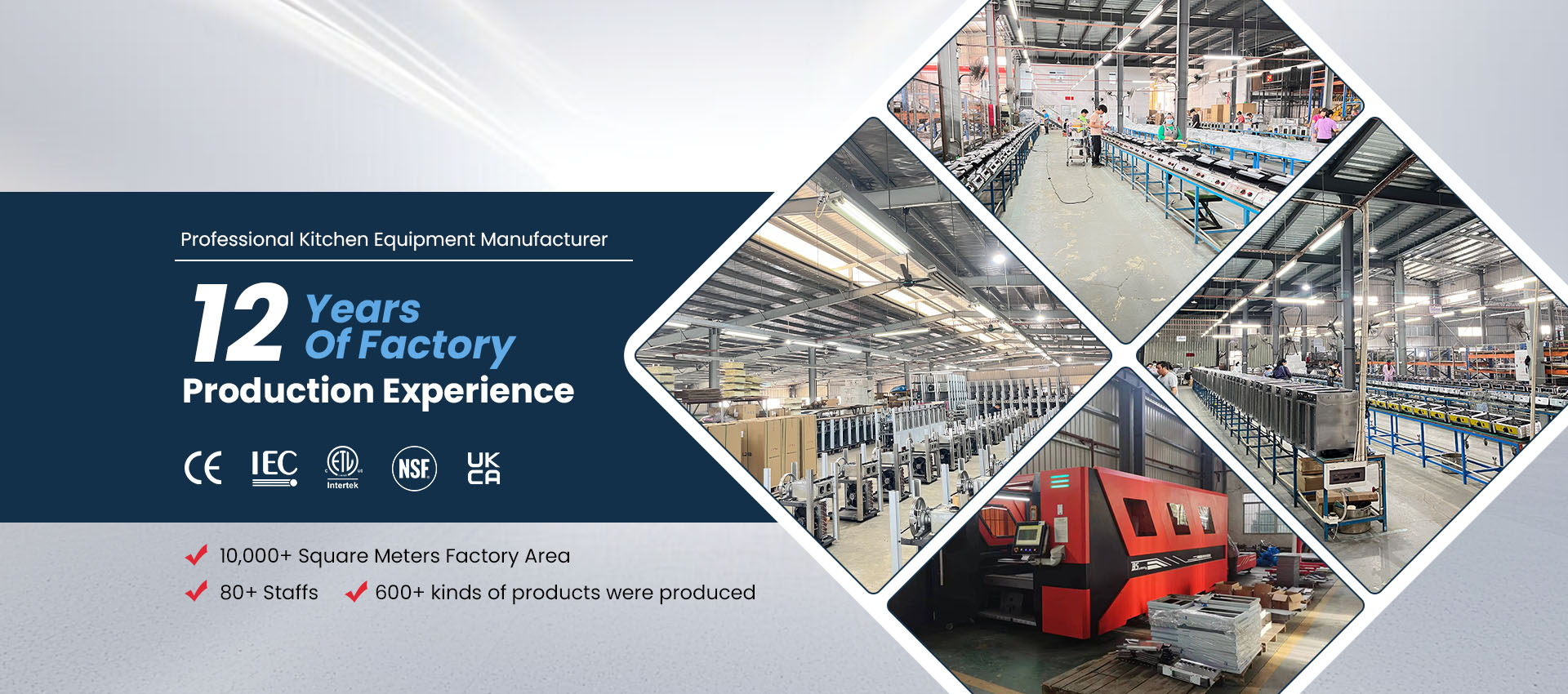
MLP Kitchen Equipment, based in Jiangmen City, Guangdong Province, is a trusted manufacturer of commercial gas fryers, griddles, and ranges used in restaurants and catering businesses worldwide.
Our gas fryers are built for safe maintenance and quick installation, featuring:
Standard 3/4-inch gas inlets compatible with LP and natural gas systems.
Removable rear access panels for easy connection and cleaning.
Certified gas hoses and regulators available for export models.
Safety shutoff valves and flame protection devices meeting CE, UL, and UKCA standards.
Heavy-duty stainless-steel body that resists heat, oil, and corrosion.
These features make MLP fryers both durable and user-friendly, ensuring long service life and simple maintenance procedures like gas line removal.
8. Routine Maintenance Recommendations
| Maintenance Task | Frequency | Purpose |
|---|---|---|
| Inspect gas hose and fittings | Weekly | Prevent leaks and wear |
| Clean burner ports and flue | Monthly | Maintain strong flame performance |
| Test gas valve and pilot light | Quarterly | Ensure reliable ignition |
| Replace old hoses | Every 12–18 months | Maintain safety standards |
| Perform professional inspection | Annually | Full safety evaluation |
Routine maintenance minimizes risks and keeps your fryer operating efficiently.
9. Conclusion
Removing a gas line from a fryer safely requires methodical steps: shut off the gas supply, release residual pressure, loosen fittings carefully, and cap all openings afterward. Always inspect and test for leaks before reconnecting.
For kitchens seeking durable, easy-to-maintain commercial fryers, MLP Kitchen Equipment offers high-efficiency gas fryers with reliable connections, safe design, and global certifications — helping you operate with confidence and safety every day.
Previous: How To Replace Deep Fryer Gas Valve