


Why Do Waffle Makers Have Grid Patterns
Grid patterns are not added to a Waffle Maker just for appearance. They are part of the product’s cooking logic. The grid increases contact between batter and the heated plate walls, helps shape the batter evenly, creates the familiar pockets that hold syrup and toppings, and makes the finished waffle easier to portion and present. Commercial buying guides also note that deeper waffle grids help accommodate batter expansion during cooking, especially in Belgian-style formats. That is why the grid pattern is both a functional design feature and a selling feature in Snack Equipment.
The grid pattern improves heat transfer
A flat plate can cook batter, but a grid plate cooks it more efficiently from multiple directions. Each raised wall of the pattern adds extra heated surface area, so the batter receives heat not only from the top and bottom, but also from the sides of each pocket. This helps the waffle brown more evenly and develop a crisp outer layer while keeping the inside lighter. Dingfeng’s waffle maker pages repeatedly describe cast aluminum plates with non-stick coating, a structure chosen precisely because it supports even heat distribution in molded waffle production.
The pockets improve product texture and presentation
The pockets created by the grid pattern are one of the reasons waffles feel different from pancakes. They create a more structured texture and give the finished product a stronger visual identity. Those pockets also improve serving performance because they hold butter, cream, fruit, syrup, and sauces more effectively. In commercial foodservice, that detail matters because presentation affects perceived value. A waffle with a clear, deep pattern looks more premium than a flat baked product, which is why Belgian waffle makers and deep-grid models remain popular in cafés, dessert counters, and hotel breakfast service.
The grid helps portion control and product consistency
Another reason for the grid pattern is product control. Many waffle makers divide the plate into clear sections, making the finished waffle easier to split, plate, and serve. Patent literature on waffle makers also notes that rectilinear grid patterns commonly divide waffles into two or four sections. For bulk supply considerations, this is useful because the pattern affects not only appearance, but also portion consistency across repeated batches. In practical sourcing terms, the mold design is part of the production specification, not just a visual choice.
Grid design is tied to the manufacturing process
From a manufacturer perspective, the grid pattern is a mold engineering issue. The plate depth, wall thickness, cavity shape, and hinge pressure all influence how batter spreads and how evenly it cooks. Dingfeng’s product range shows several waffle maker types with different grid structures, including deep-grid Belgian models, sandwich waffle models, and multi-grid round trays. Its product pages describe precision-cast aluminum baking plates, stainless steel bodies, and non-stick surfaces, showing that the grid pattern is developed together with material choice and heating performance.
Manufacturer vs trader makes a real difference here
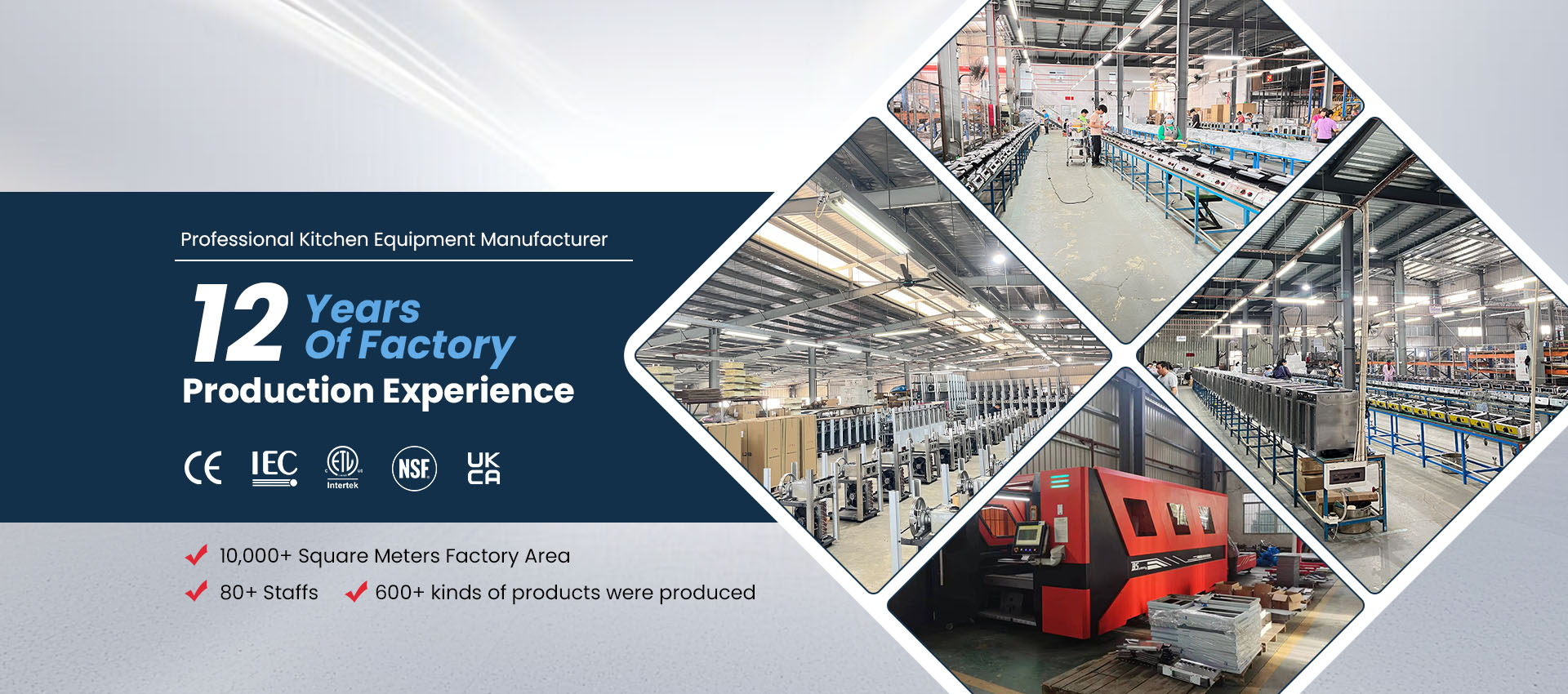
Grid quality is one of the easiest places to see the difference between a manufacturer vs trader. A true waffle maker manufacturer can usually control plate casting, mold consistency, heating alignment, and final inspection in one process. A trader may sell similar-looking machines, but the actual grid precision and batch repeatability can vary if the machines come from different upstream factories. Dingfeng presents waffle makers as a dedicated category within its snack equipment range, with 38 listed waffle maker products, which supports a stronger OEM and ODM process for customized shape, cavity count, and output style.
Material standards used also matter
Because the batter sits directly on the patterned plate, food-contact safety is part of the grid discussion. The European Commission states that Regulation EC No 1935/2004 provides the harmonised EU framework for food contact materials and sets the general principles of safety and inertness. For export market compliance, this means the grid plate is not only a cooking surface. It is also a regulated food-contact component that should be supported by suitable material standards used, traceability, and quality control checkpoints.
Key reasons grid patterns matter
| Design function | Why it matters |
|---|---|
| More heated surface area | Improves heat transfer and browning |
| Defined pockets | Holds toppings and improves presentation |
| Structured mold shape | Creates repeatable waffle texture |
| Sectioned pattern | Helps portion control and serving |
| Fixed cavity design | Supports OEM consistency and batch stability |
What buyers should check before choosing a waffle maker
A practical project sourcing checklist should include grid depth, cavity layout, plate material, coating quality, heat recovery, and final product shape. It is also worth checking whether the supplier controls mold production in-house and whether the same grid pattern can be repeated accurately in mass production. Grid patterns exist because they improve cooking, strengthen product identity, and support consistent commercial output. For buyers evaluating commercial waffle maker supply, the best choice is usually the supplier that can connect mold design, manufacturing process overview, and export compliance into one stable production system.