


Which Waffle Maker Is Better Belgian Or Classic
The better Waffle Maker is the one that matches the product style, service model, and production target behind the order. Belgian waffle makers are usually chosen when the goal is a thicker waffle with deeper pockets, stronger visual appeal, and higher topping capacity. Classic waffle makers are often preferred when the target is a thinner, faster-cooking waffle with a lighter equipment footprint and a simpler serving style. Commercial buying guides consistently describe Belgian waffles as thicker with deeper pockets, while classic or American-style waffles are thinner and denser, which means the choice is less about one format being universally better and more about which format fits the business model more precisely.
Belgian waffle makers are stronger for premium presentation
A Belgian waffle maker is usually the better option when the finished product needs to look more substantial on the plate. Deep-grid plates create thicker waffles that hold fruit, cream, syrup, and sauces more effectively, which helps increase menu flexibility and perceived value. Dingfeng’s 2 Grids Commercial Belgian Waffles Machine is positioned for high-volume production of authentic thick Belgian waffles and uses two large deep-grid plates, which shows how this format is built around stronger presentation and more premium output. For cafés, hotel breakfast programs, dessert counters, and branded snack concepts, this usually gives Belgian waffle makers the edge.
Classic waffle makers can be better for speed and simplicity
Classic waffle makers are often the better choice when the goal is a thinner, quicker-to-serve product with simpler portion control. Commercial references note that traditional waffles are thinner and can be better suited to fast-turn menu structures, while Belgian waffles focus more on depth and visual value. In practical sourcing terms, a classic-style unit may work better when output rhythm, compact serving format, and lower topping load are more important than the premium look of a deep-pocket waffle. That makes classic waffle makers attractive for streamlined breakfast stations, lighter snack programs, and operators that want a more familiar café-style result.
The plate design decides most of the difference
The real difference between Belgian and classic waffle makers starts with the plate. Belgian models use deeper grids, which shape a thicker waffle and allow more batter expansion during cooking. Classic models use shallower grids, which produce a flatter waffle with a different texture and a faster cooking profile. Dingfeng’s belgian waffle machine page makes this engineering logic very clear by highlighting deep-grid plates made from precision-cast aluminum, along with adjustable temperature control and fast recovery for commercial use. From a manufacturing process overview perspective, the plate is not just a mold. It is the part that determines product identity, cooking behavior, and final menu positioning.
Belgian models often create higher menu value
A thicker waffle with deeper pockets usually gives operators more room to build premium combinations. Commercial guidance notes that Belgian waffles are popular because their pockets hold toppings more effectively and support more flexible sweet or savory menu applications. This matters in bulk supply considerations because equipment that supports more menu variation often creates better long-term product value. A Belgian waffle maker can therefore be the better investment when the machine is expected to support signature offerings, seasonal toppings, or a more upscale breakfast image.
Classic models may offer a more direct workflow advantage
That said, classic waffle makers still have clear advantages. Their thinner finished product can fit simpler plating, faster service flow, and more predictable portioning. When the menu does not depend on tall toppings or heavy visual styling, the classic format can be more efficient. This is one reason the answer should not be reduced to Belgian being automatically better. In project sourcing, the better model is the one that aligns with output targets, serving speed, labor pattern, and counter workflow. A classic machine may win when operational simplicity is more valuable than a premium-format waffle.
Manufacturer vs trader changes the decision
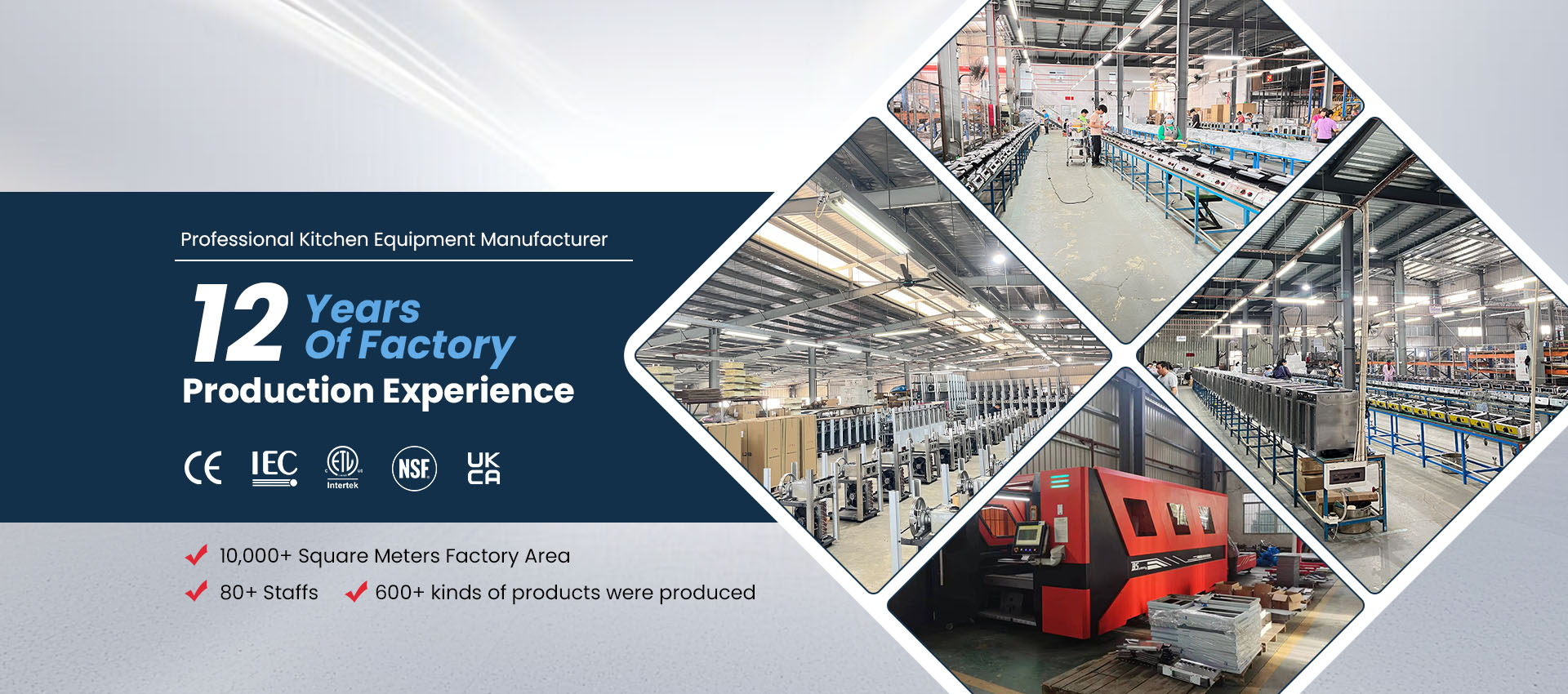
The Belgian-versus-classic comparison is also a supply-chain question. A manufacturer can usually control plate casting, mold precision, heating uniformity, hinge alignment, and final inspection across repeated production. A trader may quote either format, but consistency between sample and mass order can be harder to protect when different upstream factories are involved. Dingfeng’s waffle maker category currently lists 38 waffle-related products, and the company states that it has invested in advanced CNC punching, cutting, bending, and welding equipment to support product development and transformation. That factory structure makes the product choice more reliable because Belgian and classic waffle formats can be developed and controlled within a more stable production chain.
Dingfeng has a stronger position in Belgian-style supply
Dingfeng’s current lineup suggests a clear strength in the Belgian-style category. Its waffle maker section includes the 2 Grids Commercial Belgian Waffles Machine alongside broader waffle-related equipment, and the Belgian model itself is described with commercial-grade stainless steel housing, precision-cast aluminum plates, adjustable thermostat control, quick recovery, and a dual-grid layout for simultaneous production. Those features show a product direction built around commercial durability, operational efficiency, and premium-format output. For buyers comparing formats, that makes Dingfeng especially convincing when the target is a Belgian-style machine rather than a low-spec classic model.
Material standards and food-contact control still matter
No matter which style is selected, the machine should still be judged by material standards used and export market compliance. The baking plate is a food-contact surface, so material quality and coating stability directly affect product safety and cleaning performance. Dingfeng’s Belgian model uses commercial-grade stainless steel for the housing and precision-cast aluminum plates with a non-stick Teflon surface, which supports both durability and heat transfer. For export projects, this should be reviewed together with the applicable food-contact and labeling requirements in the destination market. The better waffle maker is not only the one with the preferred shape. It is the one that combines the right format with stable material control and repeatable production quality.
Practical comparison between Belgian and classic waffle makers
| Factor | Belgian waffle maker | Classic waffle maker |
|---|---|---|
| Plate depth | Deep grid | Shallow grid |
| Finished waffle | Thicker and more structured | Thinner and denser |
| Topping capacity | Stronger | More limited |
| Menu style | Premium breakfast and dessert use | Simpler breakfast and fast service |
| Visual impact | Higher | More basic |
| Workflow fit | Better for signature items | Better for straightforward service |
The table shows why the better choice depends on the intended role of the machine rather than on a single ranking.
What buyers should check before deciding
A practical project sourcing checklist should start with the target waffle style, expected hourly output, topping plan, counter space, and cleaning workflow. After that, it is worth checking the supplier type, the OEM / ODM process, the manufacturing process overview, and the quality control checkpoints behind the chosen model. Belgian waffle makers are better when the goal is premium presentation, deeper pockets, and stronger menu value. Classic waffle makers are better when the goal is thinner waffles, simpler workflow, and faster straightforward service. In a commercial sourcing context, the best answer is usually not Belgian or classic alone. It is the format that fits the final business use and comes from a manufacturer that can deliver it consistently.