


What Features Should You Look for in A Waffle Maker
Choosing a Waffle Maker is not only about shape or price. The right model should deliver stable heating, clean release, durable construction, and reliable output over time. For commercial sourcing, these features matter even more because the machine has to support repeat orders, daily production, and market-specific requirements. Dingfeng’s waffle maker category shows that this is not a one-model product line. Its site lists 38 waffle-related products, including belgian waffle machines, sandwich waffle makers, and specialty formats, which means feature selection should begin with actual use, not with appearance alone.
Plate material is one of the first features to check
The baking plate is the core working part of the machine, so material choice directly affects browning, texture, and service life. Dingfeng’s Belgian waffle machine uses precision-cast aluminum plates, while its sandwich waffle maker also uses heavy-duty aluminum plates. That matters because aluminum transfers heat quickly and evenly, which helps reduce hot spots and improves batch consistency. For a supplier evaluation, plate material is not a minor detail. It is closely linked to manufacturing process overview, product stability, and long-term performance.
A strong non-stick surface improves both output and cleaning
A waffle maker should release product cleanly and recover fast between batches. Dingfeng’s waffle maker pages describe advanced non-stick Teflon-coated plates on both Belgian and sandwich models. This helps reduce batter sticking, lowers cleaning time, and protects product shape during service. In bulk supply considerations, the non-stick surface also affects user satisfaction because a machine that releases unevenly will quickly cause complaints, wasted batter, and slower workflow. That is why coating consistency should be part of every project sourcing checklist.
Temperature control is essential for consistent results
A waffle maker with poor heat control may look acceptable in a catalog, but it will not perform well in real use. Dingfeng’s 2-grid Belgian waffle machine includes an adjustable thermostat and power indicator light, while its Electric Sandwich Waffle Maker adds adjustable temperature control and a built-in digital timer. These features matter because they give the operator better control over color, texture, and repeatability. From a manufacturer perspective, temperature control is one of the most important quality control checkpoints because stable heating is what separates a reliable machine from a short-term low-cost option.
Housing strength affects long-term value
The body material should be strong enough to handle heat, cleaning, and repeated opening and closing. Dingfeng describes its waffle makers as using commercial-grade stainless steel housings, including brushed stainless steel and heavy-gauge stainless steel structures. This supports corrosion resistance, surface durability, and easier maintenance. In manufacturer vs trader comparison, body construction often reveals the difference quickly. A factory-focused supplier is more likely to keep housing material, hinge strength, and assembly quality stable across repeated batches, while a trading source may not control those details as tightly.
Hinge structure and workflow features should not be ignored
Many buyers focus on plates and power, but the hinge system and surrounding workflow design also matter. Dingfeng’s sandwich waffle maker highlights a heavy-duty hinge mechanism and secure locking system designed for repeated cycles, while its Belgian waffle model includes an overflow channel around the cooking plates to catch extra batter. These are practical features that improve safety, reduce mess, and support continuous operation. For OEM and ODM process work, these details are often just as valuable as the visible design because they affect the real experience of using the machine every day.
Food-contact compliance should be part of the selection process
Because waffle batter touches the baking plates directly, food-contact safety is part of the buying decision. The European Commission states that Regulation EC No 1935/2004 provides the harmonised EU framework for food contact materials and sets general principles of safety and inertness. That means material standards used on the cooking surface should be reviewed carefully for export market compliance, especially when the machine is intended for regulated destinations. A serious supplier should be able to connect material choice with documentation, production control, and traceability.
A practical feature comparison
| Feature | Why it matters | What Dingfeng shows |
|---|---|---|
| Cast aluminum plates | Even heat transfer and stable browning | Used on Belgian and sandwich models |
| Non-stick coating | Easier release and faster cleaning | Teflon-coated plate surfaces |
| Adjustable thermostat | Better control of texture and color | Included on key waffle models |
| Digital timer | More consistent batch control | Included on sandwich waffle maker |
| Stainless steel housing | Durability and easier maintenance | Used across commercial models |
| Heavy-duty hinge and overflow design | Better workflow and reduced downtime | Highlighted on product pages |
Why Dingfeng is a stronger option from a manufacturer perspective
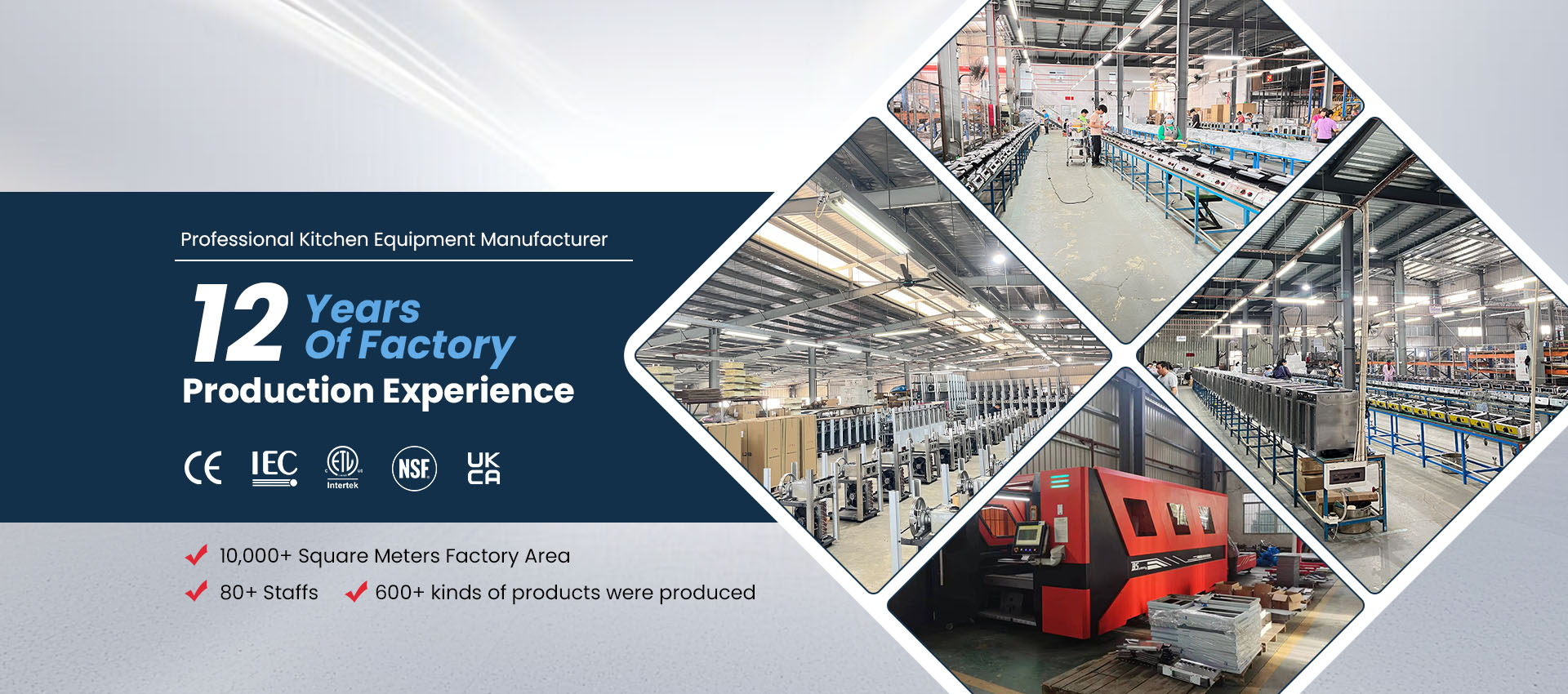
Dingfeng does not present waffle makers as isolated countertop products. Its waffle line sits inside a broader Snack Equipment system, and the company states that it has invested in CNC punching, cutting, bending, and welding equipment to support product development and transformation. That factory base matters because the best waffle maker is not only the one with attractive specifications. It is the one backed by controlled production, repeatable assembly, and a supplier that can support standard orders as well as customized projects.
What should buyers focus on before making the final choice
The best waffle maker should combine plate quality, non-stick performance, stable temperature control, durable housing, and a structure built for repeated use. It should also come from a supplier that can support manufacturing consistency, food-contact compliance, and long-term product continuity. In practical sourcing terms, the strongest choice is usually the machine that performs well on the plate, stays reliable in production, and comes from a manufacturer that controls the process from design to final inspection.