


What Makes Waffles Crispy Or Soft
The texture of waffles is determined by batter composition, moisture control, heat transfer efficiency, and cooking time stability. In commercial food production systems, small variations in temperature or batter viscosity can significantly change final texture outcomes. Food engineering studies show that moisture reduction during cooking is the primary factor influencing crispness formation on the outer layer of waffles.
Batter Composition And Moisture Balance
crispy waffles require lower internal moisture retention, while soft waffles depend on higher water content and fat balance. Flour protein level, sugar ratio, and fat content all influence how steam is released during cooking.
Industry baking data indicates that reducing moisture content by just 8 to 12 percent during cooking can significantly increase surface crispness while reducing internal softness.
Heat Transfer And Cooking Temperature
Cooking temperature is one of the most important variables. Waffles cooked at higher stable temperatures between 200°C and 220°C tend to develop a crisp outer layer due to faster surface dehydration. Lower temperature ranges produce softer textures because moisture remains trapped inside the structure.
Uniform heat distribution across the plate ensures consistent texture results in commercial waffle production systems.
Plate Structure And Equipment Design
Waffle texture is also influenced by equipment design. Plate depth, surface coating, and heat element positioning determine how batter expands and cooks. A commercial kitchen equipment manufacturer integrates thermal sensors and heating plates to ensure consistent cooking performance across multiple cycles.
During OEM and ODM development, plate geometry and heat calibration are tested together with batter formulations to ensure compatibility with different texture requirements.
Manufacturing Process Overview For Consistent Results
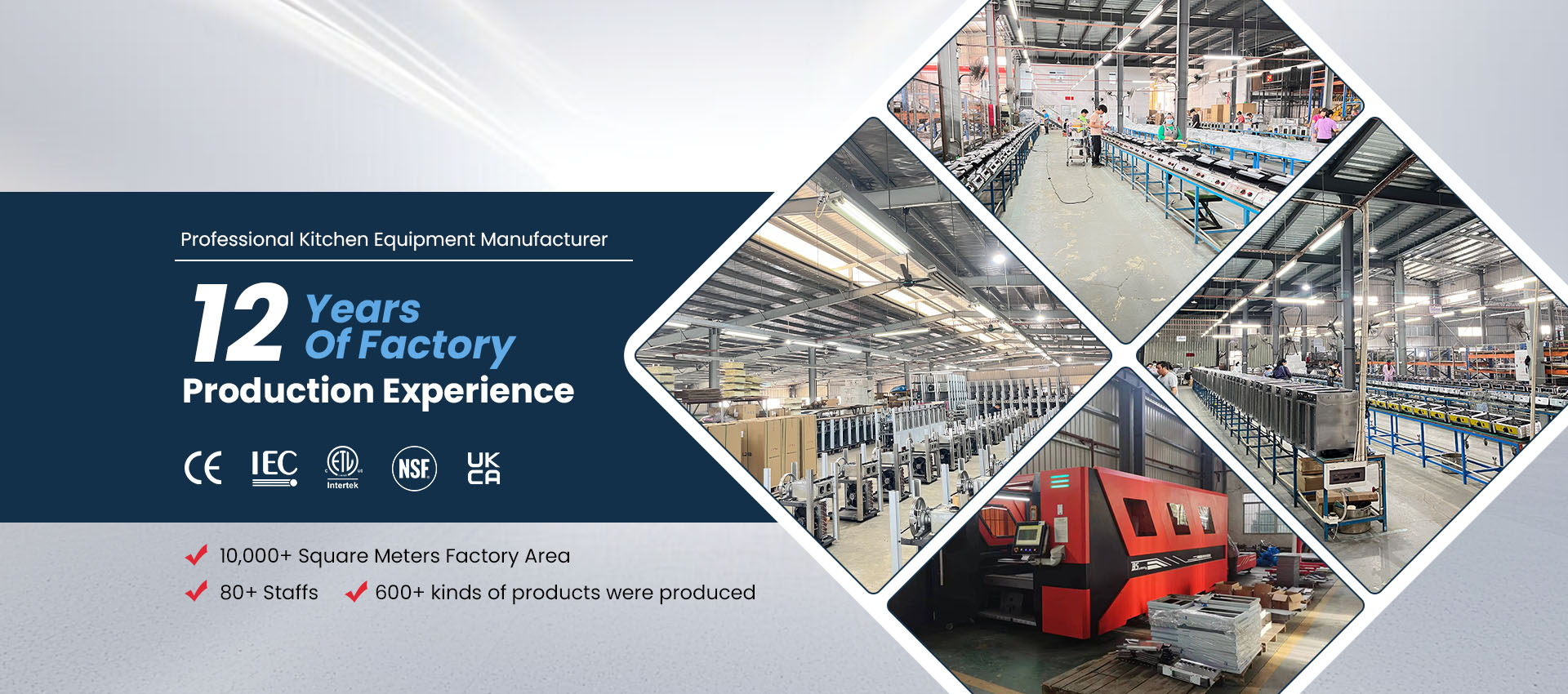
A structured manufacturing system ensures stable cooking performance. Key production steps include:
Heating element design and calibration
Plate molding and surface treatment
Thermal distribution testing
Electrical safety integration
Assembly and structural alignment
Continuous cycle cooking simulation
Final inspection and export packaging
Each stage directly impacts final waffle texture consistency in commercial environments.
Manufacturer vs Trader Capability
A manufacturer vs trader comparison is essential in equipment sourcing. A manufacturer controls heating system design, plate engineering, temperature calibration, and material selection. This ensures consistent waffle texture performance across production batches.
A trader depends on external factories, which can result in inconsistent heating accuracy, uneven plate depth, and unstable temperature control systems.
Quality Control Checkpoints
Key inspection stages include:
Temperature stability testing under 220°C operation
Heat distribution uniformity measurement
Batter expansion simulation testing
Surface coating durability evaluation
Electrical insulation safety testing
Continuous operation cycle testing
These processes ensure export compliance and stable performance in bulk supply equipment systems.
Texture Comparison Table
| Factor | Crispy Waffles | Soft Waffles |
|---|---|---|
| Moisture level | Low | High |
| Cooking temperature | High | Medium |
| Cooking time | Shorter | Longer |
| Fat content | Lower | Higher |
| Surface structure | Dry and firm | Moist and tender |
OEM ODM And Bulk Supply Considerations
For international procurement, key sourcing factors include heating system stability, plate design, temperature control accuracy, material durability, coating performance, and production scalability. A structured OEM and ODM process includes design validation, thermal testing, sample approval, mass production, and final inspection.
MLP Kitchen operates a commercial kitchen infrastructure system supporting standardized cooking equipment and scalable food production environments. Its engineering approach ensures stable heat control, consistent texture output, and reliable performance across global commercial kitchen applications.