


What Should Buyers Check Before Importing Restaurant Equipment From China?
Buyers should check manufacturer capability, product quality, certifications, customization options, production control, and export experience before importing restaurant equipment from China.
Why Is Careful Evaluation Important When Importing restaurant equipment From China?
Importing restaurant equipment from China can provide access to competitive manufacturing capabilities, flexible production options, and customized solutions. However, successful procurement requires careful supplier evaluation and project management.
commercial kitchen equipment involves multiple technical requirements, including stainless steel fabrication, heating systems, refrigeration components, electrical safety, and food hygiene considerations.
A purchasing decision based only on price may create risks such as inconsistent quality, delivery delays, compliance problems, or insufficient after-sales support.
For international buyers, understanding what to check before ordering helps reduce uncertainty and build more reliable cooperation with Chinese manufacturers.
What Should Buyers Check About the Manufacturer’s Experience?
Manufacturer experience is one of the first factors buyers should evaluate.
Important considerations include:
Years of manufacturing experience
Product categories produced
Export market experience
Customer project experience
Production capability
Experienced manufacturers usually have better understanding of commercial kitchen requirements and international purchasing processes.
A supplier with practical manufacturing experience can provide more accurate recommendations regarding materials, product structures, and equipment configurations.
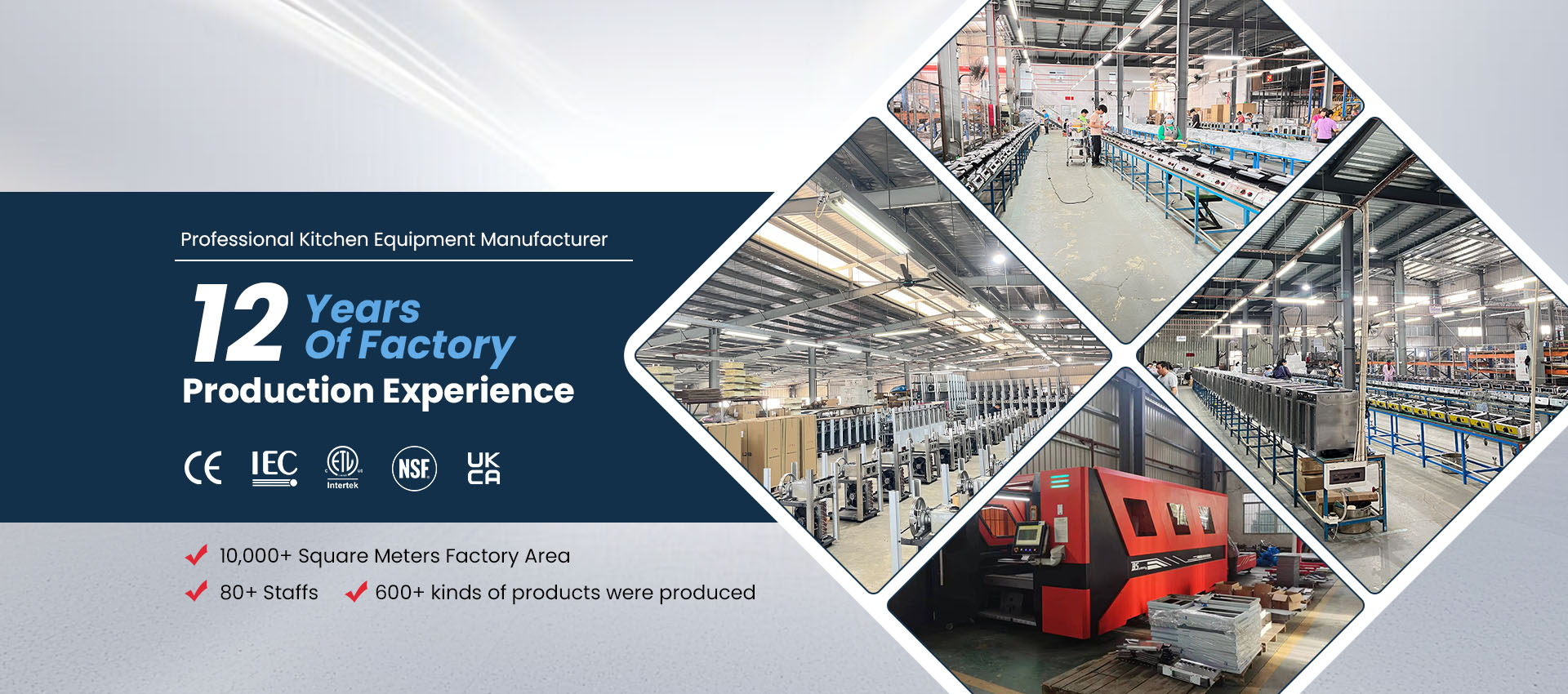
How Can Buyers Verify a Factory’s Production Capability?
A factory’s production capability directly affects product consistency and delivery reliability.
Buyers should evaluate:
Manufacturing Equipment
Professional production equipment supports better fabrication accuracy and efficiency.
Production Processes
Clear processes for cutting, welding, assembly, polishing, and testing indicate stronger manufacturing control.
Factory Management
Organized production management helps maintain stable quality during larger orders.
Customization Ability
Factories with engineering capability can better support special project requirements.
Understanding production capability helps buyers distinguish between professional manufacturers and simple trading suppliers.
Why Should Buyers Check Material Quality Before Importing Restaurant Equipment?
Material quality directly affects equipment durability, hygiene performance, and service life.
Commercial restaurant equipment commonly requires materials that can withstand:
Heat exposure
Moisture
Grease
Frequent cleaning
Heavy daily use
Buyers should check:
| Material Factor | Why It Matters |
|---|---|
| Stainless Steel Grade | Influences corrosion resistance |
| Material Thickness | Affects structural strength |
| Surface Finish | Improves hygiene and appearance |
| Welding Quality | Determines equipment stability |
High-quality materials help ensure that equipment can maintain reliable performance in demanding restaurant environments.
What Product Specifications Should Buyers Confirm Before Ordering?
Clear specifications are essential for avoiding misunderstandings during international purchasing.
Buyers should confirm:
Equipment dimensions
Product functions
Power requirements
Voltage and frequency
Material specifications
Accessories included
Packaging requirements
Different countries may have different installation conditions and operating standards.
Detailed specifications help manufacturers produce equipment that matches the buyer’s actual application.
How Important Are Certifications When Importing Restaurant Equipment?
Certification requirements vary depending on the destination market and product type.
Buyers should confirm whether equipment requires:
Electrical safety certifications
Food contact material compliance
Regional approval documents
Technical documentation
Certification preparation helps reduce risks related to customs clearance, installation, and market regulations.
Experienced manufacturers usually understand the certification requirements of different export markets and can provide relevant support.
Why Should Buyers Review Quality Control Procedures?
Quality control determines whether equipment maintains consistent performance from production to delivery.
Professional manufacturers typically perform inspections such as:
Raw Material Inspection
Checking incoming materials to ensure they meet requirements.
Production Inspection
Monitoring fabrication quality during manufacturing.
Assembly Inspection
Confirming that components are correctly installed.
Performance Testing
Testing equipment functions before shipment.
Final Inspection
Checking product appearance, operation, and packaging condition.
A complete quality control system reduces the possibility of receiving defective equipment.
How Can Buyers Evaluate Customization Capability?
Restaurant projects often have different layouts, menus, and operational requirements.
Customization may involve:
Equipment dimensions
Kitchen layout adaptation
Functional adjustments
Appearance requirements
Special configurations
Manufacturers with strong engineering and production abilities can provide solutions that better match specific restaurant applications.
Customization capability is especially important for hotels, restaurant chains, catering companies, and commercial kitchen projects.
What Should Buyers Know About Production Lead Time?
Delivery time is an important factor in restaurant equipment procurement.
Buyers should confirm:
Production schedule
Sample approval process
Manufacturing timeline
Inspection arrangements
Shipping preparation time
Clear production planning helps avoid delays that may affect restaurant opening schedules or renovation projects.
Reliable manufacturers provide realistic delivery expectations and maintain communication throughout production.
Why Is Export Experience Important When Buying From China?
Export experience helps manufacturers manage international purchasing requirements.
Experienced exporters usually understand:
Export documentation
International packaging standards
Shipping procedures
Communication requirements
Destination market expectations
A manufacturer familiar with overseas markets can help reduce common import problems and improve the overall purchasing process.
How Should Buyers Evaluate Packaging and Shipping Preparation?
Restaurant equipment often involves large structures and long-distance transportation.
Buyers should check:
Export packaging methods
Protection materials
Loading procedures
Shipping documents
Product labeling
Proper packaging helps prevent damage during transportation and ensures equipment arrives ready for installation.
What Should Buyers Consider About After-Sales Support?
After-sales support is important because restaurant equipment requires long-term operation and maintenance.
Reliable suppliers should provide:
Operation guidance
Technical assistance
Spare parts support
Maintenance recommendations
Good after-sales service helps businesses reduce downtime and maintain stable kitchen operations.
What Common Mistakes Should Buyers Avoid When Importing From China?
Several mistakes can increase purchasing risks.
Selecting Only Based on Lowest Price
Lower prices may sometimes involve compromises in materials, quality control, or service.
Not Checking Factory Capability
A supplier without strong production ability may struggle with quality consistency.
Ignoring Technical Details
Unclear requirements can lead to unsuitable products.
Skipping Quality Inspection
Problems may only be discovered after delivery.
Not Confirming Export Requirements
Missing compliance information can create customs or installation issues.
Avoiding these mistakes helps buyers achieve smoother procurement.
Why Does Choosing the Right Chinese Manufacturer Matter?
The right manufacturer provides more than equipment supply. It supports product development, quality control, export preparation, and long-term cooperation.
A reliable manufacturing partner can help provide:
Stable product quality
Professional communication
Flexible customization
Predictable delivery
Long-term support
For international restaurant businesses, supplier selection directly affects operational efficiency and investment value.
Conclusion: What Should Buyers Check Before Importing Restaurant Equipment From China?
Before importing restaurant equipment from China, buyers should evaluate manufacturer capability, material quality, product specifications, certifications, quality control, customization ability, export experience, and after-sales support.
A careful supplier evaluation process helps businesses reduce risks, receive reliable equipment, and establish successful long-term cooperation with Chinese manufacturers.