


What Is The History Of Waffle Makers
The history of Waffle Makers is a story of how a simple cooking tool became a specialized piece of commercial kitchen equipment. Long before today’s electric countertop models, early versions used two metal plates attached to long handles and were heated over an open fire. Smithsonian notes that the history of the waffle iron reaches back centuries, with roots connected to earlier wafer presses in Europe, while its later development moved toward more practical hinged designs for everyday cooking.
Early waffle irons began as fire-heated metal presses
The earliest waffle irons were built for direct heat rather than controlled electric cooking. Their basic function was already familiar: batter or dough was placed between two patterned metal plates, then heated until a shaped baked product was formed. Over time, the pattern became deeper and more structured, which helped create the recognizable waffle texture and pockets seen today. Smithsonian’s historical coverage explains that older waffle irons were part of a long culinary tradition and that decorative and functional plate patterns developed together over time.
The modern waffle iron took shape in the nineteenth century
A major milestone came on August 24, 1869, when Cornelius Swartwout received a US patent for a stovetop waffle iron. Smithsonian states that his design improved handling and made the iron easier and safer to turn during cooking. Hagley also notes that Patent No. 94,093 was issued on that date, which is why August 24 later became associated with National Waffle Day in the United States. This stage of development mattered because it moved the waffle iron from a basic hearth tool toward a more standardized kitchen appliance.
Electrification changed waffle makers from tools into appliances
The next big shift was electrification. Guinness World Records states that Boston’s Simplex Electric Heating Company manufactured the first electric waffle iron in 1906. This changed the product from a manually heated iron into a self-contained appliance with more consistent performance. Electric heating improved repeatability, reduced dependence on open-fire cooking, and created the foundation for later commercial models with thermostatic control, safer housings, and faster output. That transition is one reason the industry today usually uses the term waffle maker rather than only waffle iron.
Commercial demand expanded the product beyond one classic shape
As foodservice demand grew, waffle makers moved beyond one traditional format. Modern commercial lines now include belgian waffle machines, sandwich waffle models, novelty-pattern units, mini-format products, and high-output multi-grid designs. Dingfeng’s current waffle maker category shows this clearly, listing 38 waffle-related products including Belgian waffle machines, sandwich waffle makers, heart-shaped models, fish-shaped models, and specialty dessert machines. That range reflects how the product evolved from a single cooking tool into a flexible commercial Snack Equipment platform.
Manufacturing progress changed materials and structure
The history of waffle makers is also a history of material improvement. Older irons depended on heavy cast metal and open-fire durability. Modern commercial models focus more on heat transfer, food-contact safety, easier cleaning, and stable batch performance. Dingfeng’s Belgian waffle maker page describes a stainless steel exterior with precision-cast aluminum plates and a non-stick surface, while its sandwich waffle model also uses stainless steel housing and heavy-duty aluminum plates. These material choices show how manufacturing process overview and material standards used have become central to modern waffle maker design.
Why manufacturer capability matters more today
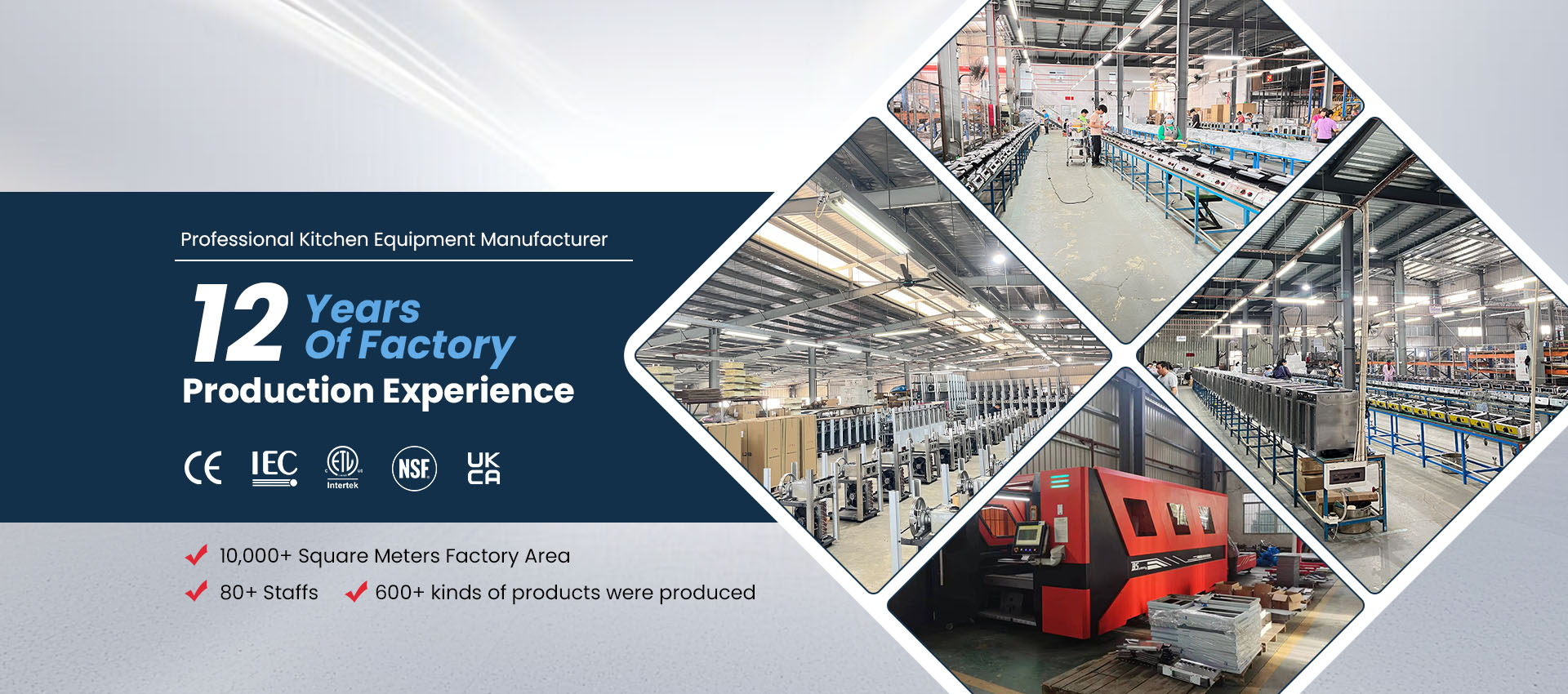
The longer the product history becomes, the clearer the difference between manufacturer vs trader becomes. A trader can list many models, but a real manufacturer is better placed to control mold development, plate casting, electrical assembly, and quality control checkpoints across repeated production. Dingfeng’s site presents waffle makers as part of a broader snack equipment system, not as isolated items, and its product structure suggests stronger support for OEM / ODM process work, bulk supply considerations, and model continuity. For project sourcing, this matters because modern waffle makers are expected to deliver stable heating, repeatable shapes, and export-ready consistency rather than only basic cooking ability.
A short timeline of waffle maker development
| Period | Development | Why it mattered |
|---|---|---|
| Early European use | Fire-heated metal waffle or wafer presses | Established the basic cooking method |
| 1869 | Cornelius Swartwout patented a stovetop waffle iron | Improved safety and handling |
| 1906 | First electric waffle iron manufactured | Enabled more consistent appliance-style use |
| Modern commercial era | Multi-shape, thermostatic, export-ready waffle makers | Supported large-scale foodservice applications |
What this history means for commercial sourcing today
The history of waffle makers shows a clear direction: from manual fire-heated presses to engineered commercial appliances built for consistency, speed, and specialization. For buyers reviewing current supply options, the key lesson is that product history now connects directly to export market compliance, manufacturing discipline, and long-term product development. A modern waffle maker is no longer just a baking tool. It is a shaped heating system that depends on material quality, structural accuracy, and factory-level control. Dingfeng’s broad waffle maker line and commercial equipment background make it better positioned to support that modern expectation in both standard and customized projects.