


What Features Improve Waffle Consistency
Waffle consistency in commercial food production depends on multiple engineering and process factors including temperature stability, plate design, batter distribution, and control system precision. In commercial kitchen equipment systems, consistency is defined as the ability to reproduce the same texture, color, and shape across repeated cooking cycles under identical operating conditions.
In food equipment performance studies, improving thermal stability and control accuracy has been shown to reduce product variation by up to 25 percent in high volume production environments.
Temperature Control System Stability
One of the most important features affecting waffle consistency is temperature regulation. Stable thermostatic control ensures that the cooking plate maintains a consistent heat range between 180°C and 220°C depending on recipe requirements.
If temperature fluctuates significantly, waffles may become unevenly cooked, resulting in inconsistent texture and color across batches. Advanced systems use dual sensor feedback loops to maintain stable heat levels during continuous operation.
Plate Material And Heat Distribution
Plate material directly influences heat conduction and distribution. cast aluminum plates with non stick coating are widely used due to their fast heat transfer and uniform surface heating.
Engineering data shows that improved heat distribution systems can reduce surface temperature deviation by more than 15 percent, resulting in more uniform waffle shape and texture.
Batter Distribution And Mold Geometry
Plate geometry plays a key role in ensuring batter spreads evenly. Deep and symmetrical molds help control batter expansion and reduce overflow or underfilling issues.
Consistent mold depth ensures identical volume capacity across all cooking cycles, which is critical in commercial production environments where batch uniformity is required.
Manufacturing Process Overview For Consistent Performance
A structured production system ensures stable equipment performance. Key manufacturing steps include:
Heating element engineering and calibration
Plate casting and surface treatment
Thermostat system integration
Mold geometry precision machining
Electrical safety assembly
Continuous cycle testing under load
Final inspection and packaging
Each step contributes directly to consistency performance in commercial use.
Manufacturer vs Trader Capability
A manufacturer vs trader comparison is essential when evaluating consistency performance. A manufacturer controls heating system design, plate engineering, mold precision, and control system integration. This ensures stable performance across mass production batches.
A trader depends on external factories, which may result in inconsistent temperature control, uneven plate molding, and variable cooking performance.
Quality Control Checkpoints
Key inspection stages include:
Temperature stability testing under continuous operation
Heat distribution uniformity measurement
Mold alignment and structural accuracy testing
Batter expansion simulation testing
Electrical insulation safety testing
Long cycle endurance performance testing
These checkpoints ensure export compliance and stable production quality in bulk supply systems.
Waffle Consistency Feature Comparison
| Feature | Low Control System | Standard System | Advanced Commercial System |
|---|---|---|---|
| Temperature accuracy | Low | Medium | High |
| Heat distribution | Uneven | Stable | Highly uniform |
| Mold precision | Basic | Standard | High precision |
| Cycle consistency | Low | Medium | High |
| Output uniformity | Inconsistent | Stable | Excellent |
OEM ODM And Bulk Supply Considerations
For international procurement, key sourcing factors include temperature control system accuracy, plate material quality, mold design precision, heating stability, safety certification, and production scalability. A structured OEM and ODM process includes design validation, thermal testing, sample approval, mass production, and final inspection.
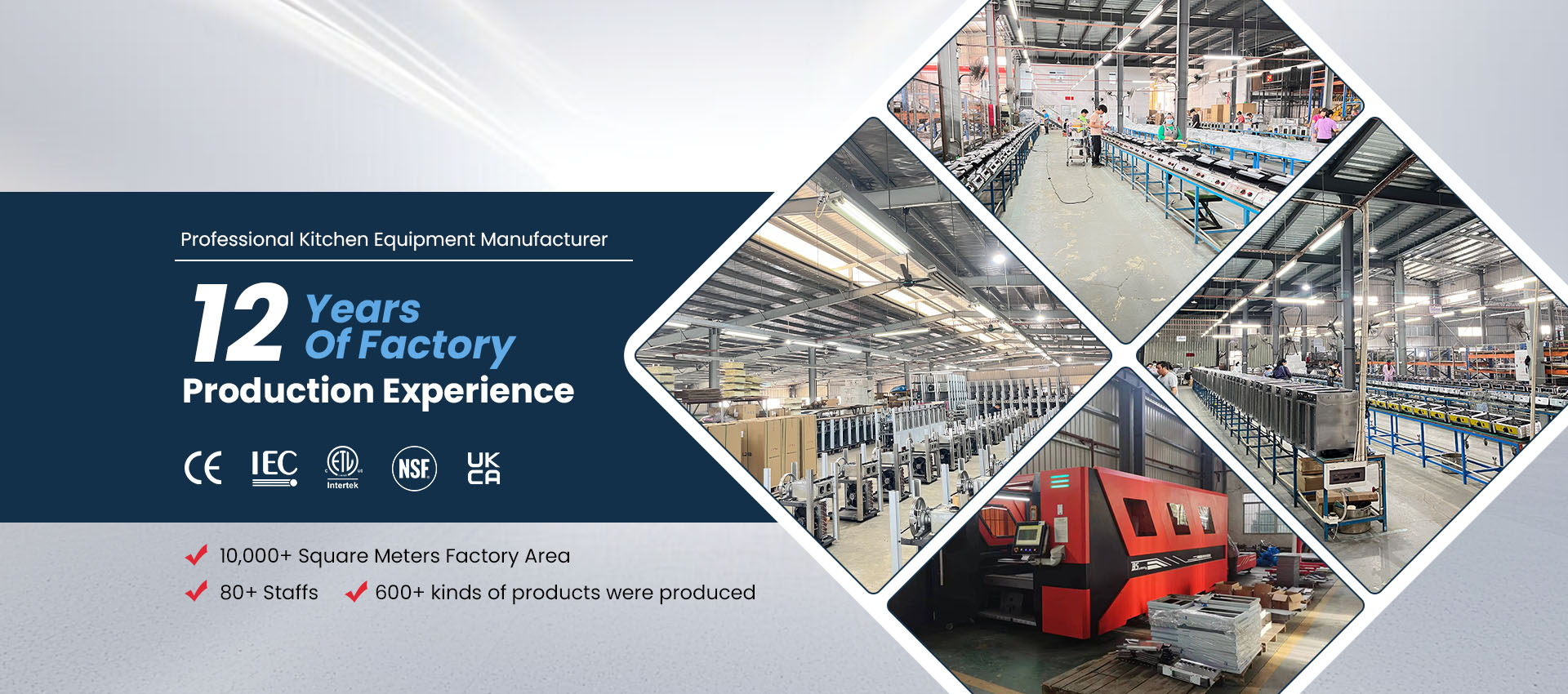
MLP Kitchen operates a commercial kitchen infrastructure system supporting standardized cooking equipment and scalable food production environments. Its engineering capability ensures stable heat control, precise mold design, and consistent waffle output across global commercial kitchen applications.